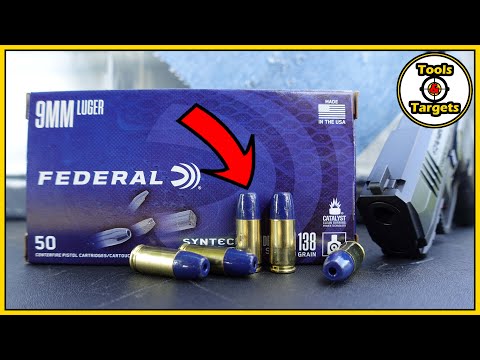
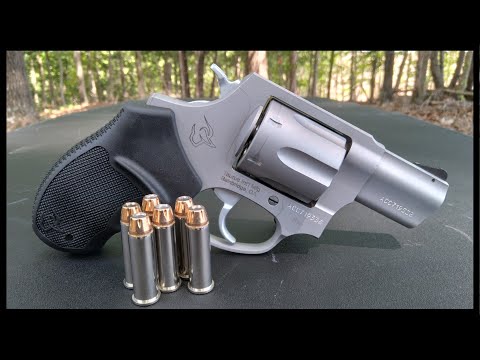
Can This Bullet Made of Powder SAVE Your LIFE?...SinterFire Special Duty AMMO Test!

Published on October 21, 2023
Duration: 14:41

This video tests SinterFire Special Duty ammunition, a sintered copper and tin powder-pressed projectile, in 9mm and .380 ACP. The instructor, experienced in firearms testing, evaluates its performance in ballistic gel with a clothing barrier. While initially skeptical of its light-for-caliber nature and powdered construction, the instructor is surprised by its controlled fragmentation and penetration, particularly from the 9mm variant. The testing provides velocity data, gel penetration depths, and fragment counts, offering insights into this unique ammunition type's defensive capabilities.

Quick Summary

SinterFire Special Duty ammunition is constructed from sintered copper and tin powder, forming a unique hollow-point projectile. In testing, the 9mm variant averaged 1236 ft/s and penetrated 17.5 inches into ballistic gel, while the .380 ACP averaged 1028 ft/s with 10.75 inches of penetration.

Chapters

  1. 00:00Introduction and Setup
  2. 00:43SinterFire Special Duty Ammo Explained
  3. 01:48Firearms Used: Ruger LCP Max & Mec-Gar MC9
  4. 02:28.380 ACP Velocity Test
  5. 03:579mm Velocity Test
  6. 05:07Ballistic Gel Test: .380 ACP
  7. 06:07Ballistic Gel Test: 9mm
  8. 06:40Gel Results Analysis
  9. 08:45Penetration Depths: .380 vs 9mm
  10. 09:40Projectile Base Analysis
  11. 10:27Weight Loss and Fragmentation
  12. 11:01Projectile Weight Measurements
  13. 12:03Final Thoughts on SinterFire Ammo
  14. 13:47Future Testing Plans
  15. 13:57Conclusion and Viewer Engagement

Frequently Asked Questions

What is SinterFire Special Duty ammunition made of?

SinterFire Special Duty ammunition is unique as it's made from a sintered copper and tin powder that is pressed together to form the projectile. It's essentially a powdered metal bullet, designed for specific defensive performance characteristics.

What were the average velocities for SinterFire ammo in the test?

The .380 ACP SinterFire Special Duty averaged 1028 ft/s, while the 9mm variant achieved a higher average velocity of 1236 ft/s. These speeds were measured using a radar chronograph during the test.

How deep did the SinterFire 9mm round penetrate ballistic gel?

The core of the 9mm SinterFire Special Duty round penetrated approximately 17.5 inches into the ballistic gel after passing through a heavy clothing barrier. Fragmentation occurred between 2 and 6 inches.

What are the claimed advantages of SinterFire ammunition?

SinterFire claims their ammunition helps avoid over-penetration, a common concern in self-defense. They also state it can pass through a 3/4-inch hard barrier without fragmenting until it reaches soft tissue, a claim the instructor plans to test further.

Related News

All News →

More Reviews Videos You Might Like

More from Tools&Targets

View all →