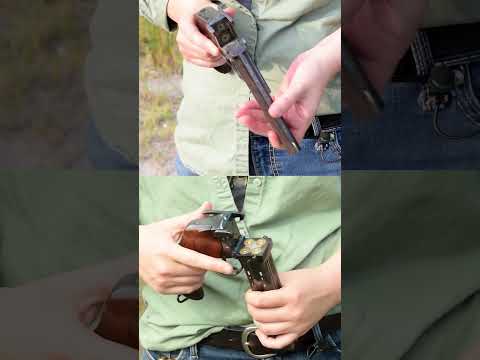
History of WWI Primer 028: U.S. Rifle Model of 1917 Documentary

Published on June 21, 2016
Duration: 23:33

The U.S. Rifle Model of 1917, chambered in .30-06 Springfield, was developed to meet WWI equipment shortages, ultimately outnumbering the M1903 Springfield. It features a 46.25-inch length, 9.2 lbs weight, and a 6-round capacity with a Mauser-style bolt action that cocks on closing. Production innovations, like part-time positions at Winchester, accelerated output but caused interchangeability issues. Post-war, the M1917 action influenced later civilian rifle designs.

Quick Summary

The U.S. Rifle Model of 1917 was developed for WWI due to equipment shortages, chambered in .30-06 Springfield with a 6-round capacity and a bolt action that cocks on closing. It ultimately outnumbered the M1903 Springfield in service.

Chapters

  1. 00:00Introduction: US Entry into WWI & Rifle Shortages
  2. 00:44M1917 Technical Specifications: Length, Weight, Caliber
  3. 01:49Interim Training Rifles Used During WWI
  4. 03:26M1917 Design Features & Bolt Action
  5. 08:41Production Challenges & Labor Innovations
  6. 11:06M1917 Production Scale & Post-War Use
  7. 15:41Post-War Variants Influenced by M1917 Action

Frequently Asked Questions

What was the primary reason for the development of the U.S. Rifle Model of 1917?

The U.S. Rifle Model of 1917 was developed primarily due to severe equipment shortages faced by the United States military upon entering World War I in 1917. Production of the standard Springfield M1903 rifle could not meet the demand for the rapidly expanding armed forces.

What are the key technical specifications of the M1917 rifle?

The M1917 rifle is 46.25 inches long, weighs 9.2 lbs, and is chambered in .30-06 Springfield. It features a fixed double-stack magazine with a 6-round capacity and a Mauser-style bolt action that cocks on closing.

Did the M1917 rifle outnumber the Springfield M1903 during WWI?

Yes, surprisingly, by the end of World War I, the U.S. Rifle Model of 1917 actually outnumbered the Springfield M1903 in the field, despite the M1903's more prominent historical imagery.

How did Winchester address production issues for the M1917 rifle?

Winchester combatted high labor turnover by introducing part-time positions for retired workers, students, and housewives. This strategy accelerated rifle production but led to interchangeability issues with rifles produced by Remington and Eddystone.

Related News

All News →

More Reviews Videos You Might Like

More from C&Rsenal

View all →