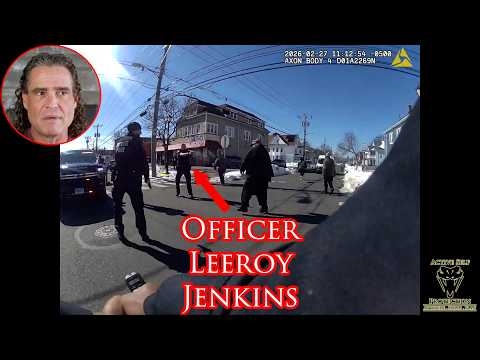
Chaotic Gas Station Melee Takes A Scary Turn

Published on January 9, 2023
Duration: 7:27

This analysis breaks down a chaotic gas station incident, emphasizing the dangers of third-party involvement and the unpredictability of confrontations. It highlights tactical lessons on de-escalation, the legal considerations of justified force during a struggle, and critical post-incident medical preparedness. The insights are presented with a serious, analytical, and educational tone by John Correia of Active Self Protection.

Quick Summary

John Correia of Active Self Protection analyzes a gas station confrontation, stressing the extreme danger of unknown third-party encounters. Key lessons include avoiding intervention, using less-lethal options when firearms fail to de-escalate, the legal justification for force during a weapon struggle, and critical trauma medical protocols for immediate post-incident care.

Chapters

  1. 00:00Introduction and Context
  2. 00:18Sponsor: Mantis Training Systems
  3. 00:43Incident Footage and Initial Analysis
  4. 03:34Tactical Lessons: Third-Party Risks
  5. 04:07Compliance and Less-Lethal Options
  6. 04:49Justification for Use of Force
  7. 06:52Medical Preparedness

Frequently Asked Questions

What are the primary dangers of getting involved in third-party disputes?

Involving yourself in unknown third-party disputes, even just by filming, carries significant risks. You may not understand the 'beef' or who the aggressor is, potentially placing you in legal jeopardy or physical danger if the situation escalates unexpectedly.

When might the use of force be legally justified in a firearm struggle?

If an aggressor attempts to gain control of your firearm, the ensuing struggle can create a reasonable objective fear of death or great bodily harm. This fear can potentially justify the use of deadly force to defend yourself, depending on the specific circumstances and jurisdiction.

What are the essential steps for post-incident trauma care after a shooting?

Immediate post-incident trauma care follows a critical protocol: apply a tourniquet to bleeding limbs, pack junctional wounds (groin, armpit), and seal the trunk of the body to prevent air from entering the chest cavity. Carrying an Individual First Aid Kit (IFAK) is crucial.

How can less-lethal options aid in de-escalation?

When a firearm is present but fails to deter an aggressor, less-lethal tools like OC spray can be highly effective. They provide a means to manage non-deadly threats and create distance or compliance before a situation escalates into a dangerous struggle for a firearm.

Related News

All News →

More Self Defense Videos You Might Like

More from Active Self Protection

View all →