Doctor's Office Violence!

Published on November 22, 2024
Duration: 17:53

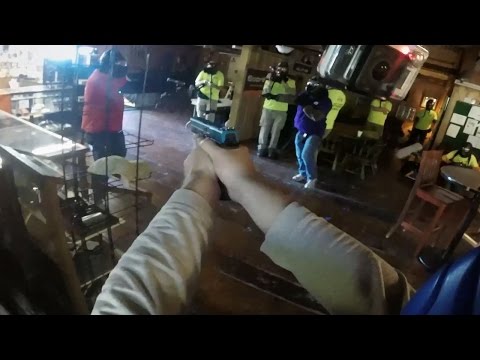
This video demonstrates the 'hard corner' ambush technique for self-defense during an active shooter event, particularly when egress is not immediately possible. It emphasizes positioning, lowering one's profile, and waiting for the threat to enter a concealed position before engaging. The scenario highlights the decision-making process for individuals with concealed carry permits who may not have extensive combat training.

Quick Summary

The 'hard corner' technique in active shooter defense involves using the corner formed by the longest walls for maximum concealment. By lowering your profile and waiting in ambush, you can effectively surprise an assailant who is scanning at eye level, providing a critical advantage.

Chapters

  1. 00:00Introduction: Active Shooter Decision
  2. 00:12First Person Defender Scenario Setup
  3. 00:35Sarah's Initial Response and Hesitation
  4. 01:04Active Shooter Event Begins
  5. 02:08Debrief: Sarah's Experience and Decision
  6. 02:49The Personal Decision to Engage or Flee
  7. 03:46Importance of Options: Pocket Guns
  8. 04:23Tactical Response: Moving Towards Stimulus
  9. 04:50Engaging the Threat
  10. 05:19Scenario: Already Inside the Office
  11. 05:32The Hard Corner Technique Explained
  12. 06:06Waiting in Ambush
  13. 07:00Preparing for Ambush
  14. 07:35Ambush vs. Hunting the Threat
  15. 07:47Self-Defense Coverage: CCW Safe
  16. 08:32Defining the Hard Corner
  17. 09:08Setting Up the Ambush Position
  18. 09:43Optimal Ambush Stance
  19. 10:17Ambush Execution
  20. 10:34Post-Engagement Protocol: Call Police
  21. 11:13Scenario 2: Trapped in Exam Room
  22. 11:55Active Shooter Event in Exam Room
  23. 12:22Sarah Takes the Hard Corner
  24. 12:35Sarah Engages the Threat
  25. 13:00Post-Engagement Actions and Egress
  26. 13:43Debrief: Sarah's Second Scenario Experience
  27. 14:24Sarah's Actions: Ambush and Movement
  28. 15:01Sarah's Reaction and Engagement
  29. 15:37Sarah's Self-Assessment
  30. 16:08Missed Opportunity Analysis
  31. 16:35Post-Shooting Egress Strategy
  32. 16:53Conclusion: Sarah's Performance
  33. 17:31Final Thoughts on Training

Frequently Asked Questions

What is the 'hard corner' technique in active shooter defense?

The 'hard corner' technique involves positioning yourself in the corner formed by the longest walls of a room. This offers maximum concealment and makes it difficult for an assailant to see you, allowing you to wait in ambush until the threat is within effective range.

How should one prepare for an ambush in a confined space during an active shooter event?

To prepare for an ambush, lower your body profile by crouching or kneeling in the hard corner. Maintain a two-handed grip on your firearm, keep your finger off the trigger, and focus on the entry point, ready to engage when the threat appears.

What are the key considerations for a concealed carrier in an active shooter situation?

A concealed carrier must assess whether to attempt immediate egress or engage the threat. If engaging, understanding tactical positioning like the 'hard corner' ambush is crucial, especially if escape routes are blocked or dangerous. Confidence and training are paramount.

Why is it important to call the police after drawing a weapon in a self-defense incident?

Even if the threat leaves, calling the police after drawing a weapon is vital. This documents the incident and ensures you are not mistaken for the assailant, preventing potential legal complications or being wrongly accused.

Related News

All News →

More Self Defense Videos You Might Like

More from Gun Talk Media

View all →