Hostage Taken at Local Park: First Person Defender|S3 E7

Published on February 23, 2016
Duration: 13:52

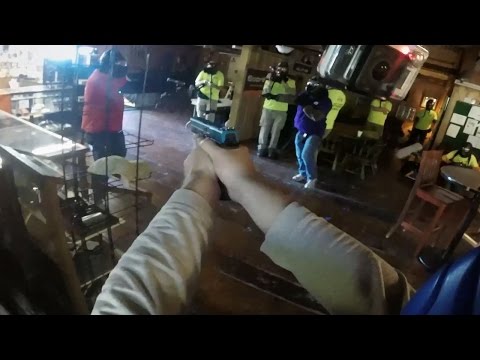
This video demonstrates a realistic hostage scenario training exercise from 'First Person Defender.' It highlights the importance of proper firearm handling, issuing clear verbal commands, and maintaining accuracy under pressure. The participant, T.J., receives expert instruction from Chris Cerino, focusing on improving his response from an initial F grade to an A+ by emphasizing sight acquisition and controlled movement. The training emphasizes a structured approach to dynamic critical incidents.

Quick Summary

Respond to hostage situations by assessing the threat, drawing your firearm, issuing clear verbal commands, and moving with accuracy. Prioritize precise shots over speed, and follow up by calling emergency services. Avoid common mistakes like lifting your head off the sights or engaging without de-escalation attempts.

Chapters

  1. 00:00Show Intro & Scenarios
  2. 00:27Participant Introduction
  3. 01:10Instructor's Initial Assessment
  4. 01:33Eagle Scout Background
  5. 01:48T.J.'s Training Background
  6. 02:12Scenario Briefing
  7. 02:33T.J.'s Apprehension
  8. 02:43Scenario Instructions
  9. 03:08Instructor's Expectations
  10. 04:39Scenario Rules & Participants
  11. 04:52Initial Hostage Encounter
  12. 05:50First Scenario Debrief
  13. 06:28Critique of First Attempt
  14. 06:50Precision Shooting Training
  15. 07:26Sight Focus Drill
  16. 07:56Movement & Shooting Techniques
  17. 08:19Improved Movement & Accuracy
  18. 09:42Second Hostage Encounter
  19. 10:50Scenario Alterations
  20. 11:44Second Scenario Debrief
  21. 12:26Post-Incident Protocol
  22. 12:38Final Assessment & Takeaways

Frequently Asked Questions

What are the key steps in responding to a hostage situation with a firearm?

Respond by assessing the situation, drawing your firearm, issuing clear verbal commands, moving while maintaining accuracy, and engaging the threat only if necessary. Follow up by calling emergency services and securing the scene.

What common mistakes should be avoided during a critical incident response?

Avoid lifting your head to check sights after firing, focusing solely on the attacker without considering bystanders, and engaging without attempting verbal de-escalation. Prioritize accuracy over speed.

How can precision shooting be improved under pressure?

Practice precision drills at short distances (e.g., 7 yards) focusing on small targets. Maintain sight alignment and a controlled trigger press, even when moving or issuing commands.

What is the role of verbal commands in a critical incident?

Verbal commands are crucial for de-escalation and to gain compliance from the attacker. They should be clear, loud, and issued before resorting to lethal force, while simultaneously preparing to engage if necessary.

More Self Defense Videos You Might Like

More from Gun Talk Media

View all →