"I Did Everything Right... And I'm in Jail”

Published on April 30, 2025
Duration: 28:55

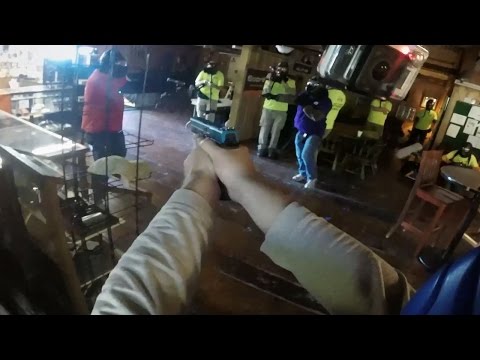
This episode of Gun Talk Nation features Neil and Stephanie Widner of Active Self-Protection, discussing real-world self-defense scenarios and lessons learned from viewer-submitted videos. They emphasize the importance of situational awareness, de-escalation, and pre-planning defensive strategies to reduce cognitive load during critical incidents. The discussion highlights common mistakes like engaging in road rage, not paying attention to surroundings, and the reluctance of good people to defend themselves due to fear of legal repercussions.


Quick Summary

Active Self-Protection emphasizes that situational awareness and pre-planning defensive 'lines in the sand' are crucial for effective self-defense. They warn against common mistakes like road rage and phone distraction, noting that fear of legal consequences can make good people hesitant to act, even when necessary.

Chapters

  1. 00:00Introduction: "I Did Everything Right... And I'm in Jail"
  2. 00:13Meet Ryan Gresham & Gun Talk Nation
  3. 00:27Sponsors: Vortex, Range Ready, Ruger
  4. 00:32Guests: Neil & Stephanie Widner (Active Self-Protection)
  5. 00:56Most Memorable/Craziest Videos
  6. 01:24The Snow Shovel Incident
  7. 03:02Stephanie's Memorable Video: Convenience Store Encounter
  8. 04:07Recurring Themes: How People Keep Screwing Up
  9. 05:00Common Mistakes: Road Rage & Temper
  10. 05:25Common Mistakes: Locking Car Doors
  11. 05:49Common Mistakes: Lack of Situational Awareness
  12. 06:37Being Alert vs. Paranoid
  13. 07:17Pet Peeve: People Stopping in Traffic
  14. 07:31Road Rage Anecdote & De-escalation
  15. 09:40The 'My Bad 20' Concept
  16. 10:42Pre-Planning Defensive Scenarios
  17. 11:15First-Person Defender Episodes & Decision Making
  18. 12:03Setting Lines in the Sand for Kids
  19. 12:26Value of Video Analysis for Mental Reps
  20. 13:02Cognitive Load in Self-Defense
  21. 13:31Freezing Up vs. Having Options
  22. 13:58Third-Party Bystander Responsibility
  23. 14:40Real Life vs. Watching Through a Screen
  24. 14:53After the Break: Viewer Comments & Stories
  25. 15:00Ruger RXM Handgun Ad
  26. 15:25Range Ready Training Facility
  27. 15:59Vortex Viper Shotgun Enclosed Micro Red Dot Ad
  28. 16:35Active Self-Protection: YouTube Channel & Impact
  29. 16:44Viewer Comments & Stories
  30. 17:17Impact of ASP Content on Viewer Lives
  31. 18:29National Conference & Real-Life Implementations
  32. 19:01Neil's Role as Moderator & Viewer Interactions
  33. 19:33Addressing Viewer Contradictions & Nuance
  34. 20:30Engaging with Negative Comments & Winning Arguments
  35. 21:16Full-Time Gig vs. Everyday Life
  36. 21:36Hesitancy to Defend Oneself
  37. 22:06Possibility of Good People Being Reluctant
  38. 22:46Thinking You're the Hero vs. Being the Bad Guy
  39. 23:08Challenge of Not Knowing Your Audience
  40. 23:13Good People More Reluctant to Defend
  41. 24:04Volume of Submitted Videos vs. Published Videos
  42. 24:36Human Performance & Ghost Signals
  43. 24:47Using Draw Speed & Threat Cues
  44. 25:14People Pause Due to Normalcy Bias
  45. 25:45"If he's in my house, I'm shooting him" Mindset
  46. 26:00Difficulty Being Creative & Flexible in Scenarios
  47. 26:29Thousands of People Met Who've Been in Scenarios
  48. 26:47Self-Defense Scenarios Rarely Go as Planned
  49. 27:31Conclusion: Training & Force on Force
  50. 28:01Value of Decision-Making Training
  51. 28:22Learning from Watching Scenarios
  52. 28:38Thank You to Neil & Stephanie Widner
  53. 28:48Sign Off: Gun Talk Nation

Frequently Asked Questions

What are common mistakes people make in self-defense situations, according to Active Self-Protection?

Common mistakes include engaging in road rage, lacking situational awareness (often due to phone use), and failing to pre-plan defensive strategies. People also tend to project their own values onto others, assuming they won't escalate minor conflicts, which is a dangerous assumption.

How can pre-planning improve self-defense outcomes?

Pre-planning involves establishing 'lines in the sand'—pre-determined responses to potential threats—during calm moments. This reduces cognitive load during a high-stress encounter, allowing for quicker and more effective decision-making, rather than trying to figure out what to do on the spot.

Why might good people be reluctant to defend themselves?

Fear of legal repercussions and the focus on negative outcomes, such as ending up in jail despite doing everything right, can make good people hesitant to defend themselves. The legal system can be unforgiving, even in justified self-defense cases.

What is the value of reviewing real-world self-defense videos?

Reviewing videos of real-world encounters provides valuable mental repetitions and lessons. It helps build a 'card catalog' of potential responses and allows viewers to learn from others' mistakes and successes, improving their ability to react effectively if they face a similar situation.

What is 'situational awareness' and why is it important?

Situational awareness is being attentive to your surroundings. It's not about being paranoid but about maintaining a basic level of observation, like looking before crossing the street. This vigilance helps in spotting potential threats early and avoiding dangerous situations.

Related News

All News →

More Self Defense Videos You Might Like

More from Gun Talk Media

View all →