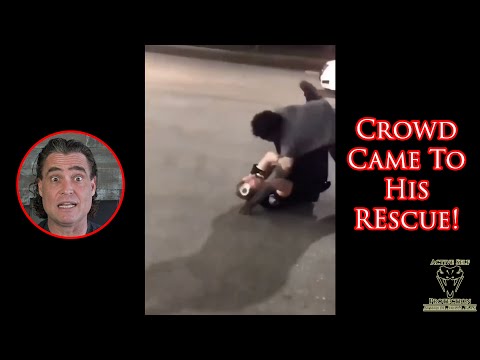
The Bystander Body Slam From Utah | Active Self Protection

Published on February 24, 2019
Duration: 7:25

This video from Active Self Protection, featuring John Correia, analyzes a critical incident where a bystander intervened to assist a Utah officer. It breaks down the importance of speed, surprise, and violence of action in defensive encounters, emphasizing effective ground fighting techniques for bystanders and the tactical considerations of third-party intervention. The analysis highlights pre-attack indicators and the justified use of force by both the officer and the intervening civilian.

Quick Summary

Expert analysis from Active Self Protection details a bystander's intervention in a Utah incident. Key takeaways emphasize decisive action, effective ground fighting, and clear identification to officers. The video breaks down pre-attack indicators and the justified use of force, offering crucial lessons for civilian self-defense and assisting law enforcement.

Chapters

  1. 00:00Introduction and Context
  2. 00:27Incident Footage
  3. 01:20Key Lessons Overview
  4. 02:04Tactical Analysis of Initial Contact
  5. 04:31Bystander Intervention Ethics
  6. 06:01Grappling and Takedown Analysis

Frequently Asked Questions

What are the key lessons from the bystander body slam incident in Utah?

The key lessons include managing third-party encounters, the importance of helping law enforcement officers, and the critical need for ground fighting skills. Bystanders should identify themselves to officers to avoid being mistaken for a threat.

How should a bystander intervene effectively in a police encounter?

When intervening, bystanders should move decisively, clearly identify themselves to the officer, and prioritize controlling the suspect's arms to prevent weapon access. Effective leverage and takedown techniques are crucial for control.

What tactical analysis was provided regarding the suspect's actions?

The analysis highlighted pre-attack cues, such as a 'suicide by cop' gesture and reaching for the officer's firearm. The officer's decision to go hands-on was deemed justified by the totality of circumstances.

What are the risks associated with bystander intervention?

Risks include being mistaken for a threat by law enforcement, the suspect accessing their own or the officer's weapon, and potential injury during the physical altercation. Proper identification and technique mitigate these risks.

Related News

All News →

More Self Defense Videos You Might Like

More from Active Self Protection

View all →