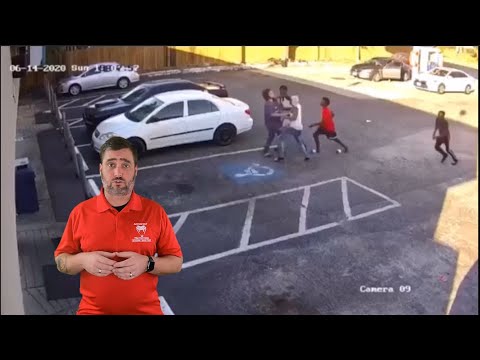
Valet Reminds Us to Keep Our Defenses Up | Active Self Protection

Published on October 14, 2017
Duration: 3:01

This video analyzes a valet attack, emphasizing the importance of maintaining a 'defensive fence' and situational awareness, especially when empty-handed. It highlights that legal justification for firearm use may not exist before an assault, underscoring the need for effective empty-handed defensive skills. Bystander intervention and proper first aid for unconscious victims are also discussed.

Quick Summary

The 'defensive fence' is a crucial self-defense technique involving hand positioning to protect the head and neck from surprise attacks. It's vital for maintaining awareness and readiness, especially when empty-handed, as legal justification for firearm use may not exist until an assault is underway.

Chapters

  1. 00:00Incident Overview & Key Lessons
  2. 00:29The Attack and Aftermath Footage
  3. 01:00Tactical Analysis: Defensive Fence
  4. 01:36Empty-Handed Skills vs. Firearms Legality
  5. 02:01Bystander Role & First Aid Advice

Frequently Asked Questions

What is the 'defensive fence' in self-defense?

The 'defensive fence' is a tactical hand position used to protect your head and neck from surprise attacks. It involves keeping your hands up and slightly forward, ready to block or parry incoming strikes, while maintaining awareness of the aggressor's movements.

When is it legally justified to use a firearm for self-defense?

Legal justification for using a firearm typically requires an imminent threat of death or serious bodily harm. In many situations, like the valet incident, empty-handed defensive skills must be employed first, as the threat may not yet meet the threshold for deadly force.

Why are empty-handed defensive skills important even if you carry a firearm?

Empty-handed skills are vital because encounters often escalate before deadly force is legally justified. Proficiency in unarmed defense allows you to manage immediate threats, create distance, or de-escalate situations without resorting to lethal means prematurely.

What should bystanders do if they witness an assault?

Bystanders should assess the situation for safety. If safe, they can intervene to prevent further harm, call 911 immediately, and provide aid once the threat is neutralized. Avoid escalating the situation unnecessarily.

Related News

All News →

More Self Defense Videos You Might Like

More from Active Self Protection

View all →