When House Parties Turn Deadly

Published on August 30, 2024
Duration: 17:24

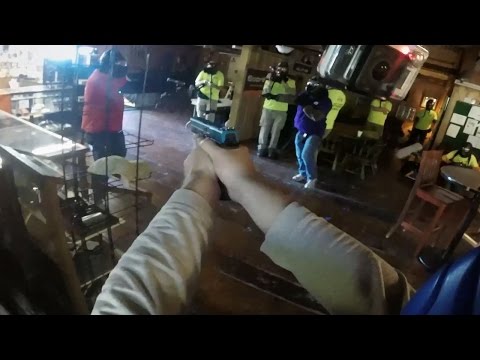
This video demonstrates critical self-defense techniques for a house party scenario that escalates to violence. It highlights the dangers of closing distance with an armed attacker, especially one with a knife, and emphasizes the importance of maintaining safe shooting angles and clearing firearm malfunctions. The content stresses that even after neutralizing an immediate threat, vigilance and proper tactical movement are crucial to prevent further injury.

Quick Summary

Closing distance with a knife-wielding attacker, even after firing, is extremely dangerous. It's crucial to maintain a safe distance and only advance if absolutely necessary, with extreme caution. If a firearm malfunctions, a 'tap rack' drill is essential for clearing the issue and returning to engagement. Carrying a firearm on your person ensures immediate access during a surprise attack, which is more effective than stashing it around the house.

Chapters

  1. 00:00Introduction: House Parties Turn Deadly
  2. 00:11First Person Defender Scenario Setup
  3. 00:19Meet Bailey: The Unprepared Defender
  4. 00:35Scenario: The Shoot House Party
  5. 00:46The Problem: Questionable Friends
  6. 01:09The Setting: After Midnight Mayhem
  7. 01:28First Signs of Trouble
  8. 01:54Trouble Arrives: KJ
  9. 02:07Escalation: The Beef
  10. 02:15The Attack: Stabbing Ensues
  11. 02:37Hands-On Engagement & Injury
  12. 02:46Defender's Response & Malfunction
  13. 03:16Aftermath: Fast and Brutal
  14. 03:28Bailey's Reflection: Shock and Pain
  15. 03:36Tunnel Vision and Awareness
  16. 04:14The Shooting: Hits and Misses
  17. 04:24Closing Distance: A Fatal Mistake
  18. 04:44Three Stabbed: The Grim Reality
  19. 04:55Post-Engagement Uncertainty
  20. 05:08Home Defense Expectations vs. Reality
  21. 05:31Ruger LCP Max: A Concealed Carry Option
  22. 05:54Instructor's Analysis: Key Takeaways
  23. 06:01Lesson 1: Carry Your Firearm
  24. 06:15Lesson 2: Clearing Malfunctions
  25. 06:30Lesson 3: Shooting Angles & Cover
  26. 07:03The Danger of Closing Distance
  27. 07:12Pushing the Gun: Out of Battery
  28. 07:41Adjusting Angles for Safety
  29. 08:31Thinking About Pass-Through Shots
  30. 08:51Firearm Security & Malfunction Drills
  31. 09:06Self-Defense Coverage: CCW Safe
  32. 09:34Range Ready: Preparing to Win
  33. 09:39Shooting Fundamentals: Waist Up
  34. 10:00Impact Area & Elevation Changes
  35. 10:36Focus on Grip, Sights, Trigger
  36. 11:01Scenario 2: A Different Approach
  37. 11:15New Arrivals at the Party
  38. 11:40Buddy's Warning: Bad Beef
  39. 12:12Confrontation: Gun Drawn
  40. 12:20The Standoff
  41. 12:31De-escalation Attempt
  42. 12:48Taking Control of the Situation
  43. 13:07Calling the Cops
  44. 13:32Voice of Reason: 911 Call
  45. 13:48Outcome: No Shots Fired
  46. 13:58Defender's Account: Calm Under Pressure
  47. 14:05Reason for Grabbing the Gun
  48. 14:14The Confrontation: Verbal Commands
  49. 14:49Kicking the Gun Away
  50. 15:09Instructor's Analysis: Distance is Safety
  51. 15:37Why Not Shoot Immediately?
  52. 15:54The 'Bad Guy's' Perspective
  53. 16:25Defender's Confidence
  54. 16:28Bailey's Performance Review
  55. 16:41Lessons Learned from Mistakes
  56. 17:01Force-on-Force Training Value
  57. 17:12More Gun Talk Content

Frequently Asked Questions

What are the key dangers of closing distance with a knife-wielding attacker after firing shots?

Closing distance with a knife-wielding attacker, even after firing, is extremely dangerous. The attacker can still inflict severe injury before being fully incapacitated. It's crucial to maintain a safe distance and only advance if absolutely necessary, with extreme caution and awareness of the weapon.

How can a firearm malfunction be addressed during a self-defense situation?

If a firearm malfunctions, such as a failure to feed, a 'tap rack' drill is essential. This involves tapping the magazine to ensure it's seated, racking the slide to clear the faulty round, and then re-engaging the target. Practicing this drill under stress is vital for proficiency.

Why is carrying a firearm on your person more effective than stashing it around the house for self-defense?

Carrying a firearm on your person ensures immediate access during a surprise attack. Firearms stashed around the house may not be accessible quickly enough when needed, especially if the threat appears unexpectedly in a different part of the home.

What tactical considerations are important when engaging a threat near a downed ally?

When engaging a threat near a downed ally, maintaining safe shooting angles is paramount. This involves adjusting your position and elevation to avoid hitting your ally with a stray round or a pass-through shot. Situational awareness of everyone's location is critical.

Related News

All News →

More Self Defense Videos You Might Like

More from Gun Talk Media

View all →