20mm Cannon Vs Oxygen Tanks

Published on November 11, 2022
Duration: 15:04

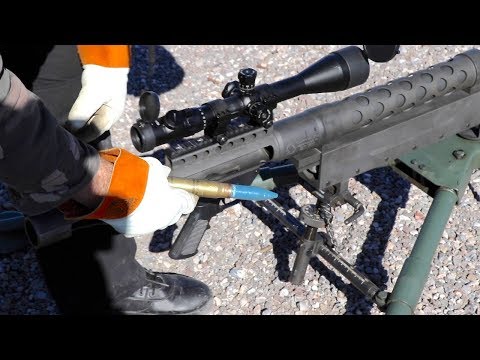
This video details an experimental test of the Typhon 20mm cannon against oxygen and acetylene tanks. Expert insights from firearms designer Mark Serbu are presented, showcasing the destructive power of the 20mm round. The experiment highlights the effects of high-velocity projectiles on pressurized vessels, demonstrating significant thermal damage and explosive results.

Quick Summary

The Typhon 20mm cannon, a custom single-shot bolt-action firearm designed by Mark Serbu, was tested against oxygen and acetylene tanks. The 20mm rounds demonstrated extreme destructive power, causing massive fireballs and melting steel, with post-shot analysis revealing deep impact craters and thermal damage.

Chapters

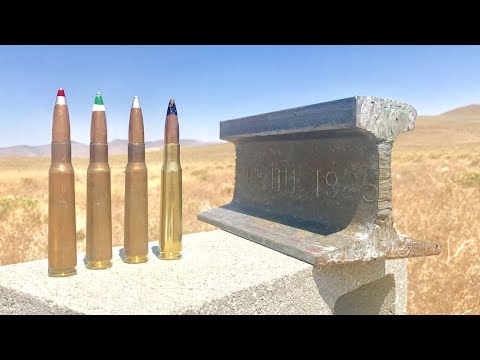
  1. 00:00Introduction and Caliber Comparison
  2. 02:17The Typhon 20mm Cannon
  3. 03:12First Shot: Acetylene Tank
  4. 08:11Second Shot: Oxygen Tank Line
  5. 10:14Post-Explosion Inspection

Frequently Asked Questions

What is the Typhon 20mm cannon?

The Typhon 20 is a custom-built, single-shot bolt-action 20mm cannon designed by Mark Serbu. It's shown mounted on an M2 tripod with a specialized recoil assembly for managing its powerful discharge.

How does a 20mm round affect oxygen tanks?

When a 20mm round strikes oxygen tanks, it causes a massive explosion due to rapid decompression. The impact creates deep craters in the steel and can lead to significant debris displacement.

What kind of damage does a 20mm cannon cause to steel tanks?

A 20mm round causes severe thermal damage to steel tanks, melting the metal similar to a cutting torch. This is evident in the clean entry and exit holes observed after impact.

What calibers were compared to the 20mm round?

The 20mm round was compared side-by-side for scale against 9mm, .338 Lapua, and .50 BMG ammunition, highlighting its significantly larger size and destructive potential.

More Tactical & Gear Videos You Might Like

More from Edwin Sarkissian

View all →