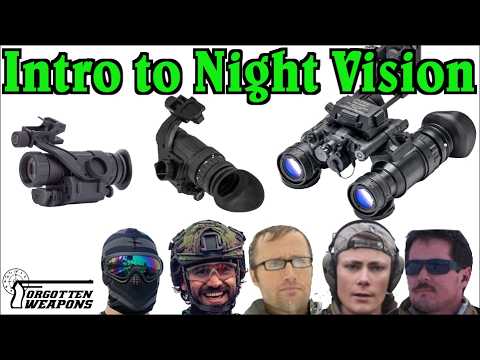
An Introduction to Shooting with Night Vision

Published on August 22, 2018
Duration: 12:57

This video provides an introduction to using night vision devices with firearms, differentiating between night vision generations (Gen 1, Gen 2, Gen 3) and thermal imaging. It details how to mount night vision for hands-free operation, the importance of Gen 3 tubes for superior performance and auto-gating, and the tactical advantages of infrared lasers and illuminators. The guide also covers integrating night vision with red dot sights for handguns and rifles, addressing challenges like blooming and shallow depth of field, and emphasizes heightened safety considerations for low-light shooting.

Quick Summary

Gen 3 night vision is recommended for firearms due to its superior image amplification and auto-gating, which protects the tube from bright light like muzzle flash. Infrared lasers are used for stealthy aiming, often paired with illuminators. Night vision-safe red dots are crucial for integration with optics, and dual-tube systems offer better spatial awareness.

Chapters

  1. 00:00Introduction to Night Vision for Shooting
  2. 00:15Hands-Free Night Vision Mounting
  3. 00:43Night Vision Generations Explained (Gen 1, 2, 3)
  4. 01:18Infrared vs. Thermal Imaging
  5. 02:06Gen 3 Auto-Gating Benefits
  6. 02:41Muzzle Flash and Night Vision
  7. 02:56Infrared vs. Thermal: Tactical Differences
  8. 03:31Seeing Through Glass: NVG vs. Thermal
  9. 04:17Hitting Targets at Distance with NVGs
  10. 04:42Using Infrared Light for Aiming
  11. 05:23Lasers and Night Vision with Rifles
  12. 06:17Blooming Effect with Lasers
  13. 06:42Red Dots for Handgun Night Vision
  14. 07:07Dual-Eye Red Dot Sight Technique
  15. 07:37Blooming with NVGs and Red Dots
  16. 08:01Monocular vs. Dual Tube Night Vision
  17. 09:07Spatial Awareness with Dual Tubes
  18. 09:52Shallow Depth of Field in NVGs
  19. 10:18Addressing Shallow Depth of Field
  20. 10:37Backup Sights for Night Vision
  21. 10:53Mounting Red Dots for NVG Use
  22. 11:45Safety Considerations for Night Shooting
  23. 12:16Risk and Awareness in Low-Light Shooting

Frequently Asked Questions

What is the difference between night vision and thermal imaging for shooting?

Night vision amplifies ambient light, allowing you to see in low-light conditions. Thermal imaging detects heat signatures, making it effective for spotting warm objects like people or animals. Crucially, thermal cannot see infrared lasers, while night vision can.

Which generation of night vision is best for firearms use?

Gen 3 night vision is highly recommended for firearms use due to its superior image amplification and auto-gating feature. Auto-gating protects the sensitive tube from bright light sources like muzzle flash, preventing damage and maintaining functionality.

How can I use a red dot sight with night vision?

You need a night vision-safe red dot sight with very low settings. You can either look through the red dot with your night vision device or use a monocular on your non-dominant eye and sight with your dominant eye, allowing your brain to superimpose the dot.

What are the challenges of shooting with night vision?

Challenges include the 'blooming' effect around lasers, a shallow depth of field that makes close-up focus difficult, and the need for specialized mounts to avoid collision with the firearm. Enhanced safety protocols are also essential due to reduced visibility.

Related News

All News →

More Tactical & Gear Videos You Might Like

More from TFB TV

View all →