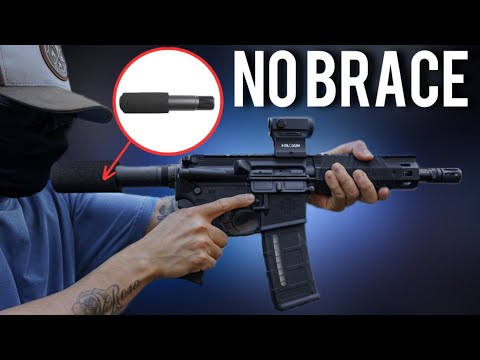
AR-15 Pistol vs AR-15 Rifle

Published on January 3, 2025
Duration: 12:22

This guide, presented by Classic Firearms and featuring insights from experienced instructors like Kaya and Jason at Take Aim Training Range, breaks down the key differences between AR-15 pistols and rifles. It covers legal classifications, barrel length requirements, the use of braces versus stocks, and the implications of NFA regulations for SBRs. The video emphasizes choosing a configuration based on intended use, highlighting the maneuverability of pistols for close-quarters and the stability of rifles for longer distances.

Quick Summary

The key difference between an AR-15 pistol and rifle is barrel length and stock. Rifles have 16"+ barrels and stocks for stability and accuracy, while pistols have <16" barrels and braces for maneuverability. SBRs (<16" barrel with stock) require NFA registration. The 'pin and weld' method can legally extend barrel length to 16" without NFA paperwork.

Chapters

  1. 00:00Introduction & Demo
  2. 00:43Hosts & Location
  3. 01:23AR-15 Rifle Configuration
  4. 02:00AR-15 Pistol Configuration
  5. 02:42Legal & Accessory Differences
  6. 03:59Pros & Cons of Rifles
  7. 05:11Pros & Cons of Pistols
  8. 06:09SBRs & NFA
  9. 07:43Pin and Weld Technique
  10. 08:31Conclusion

Frequently Asked Questions

What is the main difference between an AR-15 pistol and an AR-15 rifle?

The primary distinction lies in barrel length and stock configuration. AR-15 rifles typically have barrels of 16 inches or longer and feature a stock, while AR-15 pistols have barrels shorter than 16 inches and utilize a stabilizing brace instead of a stock to remain legally classified as a pistol.

What are the advantages of an AR-15 rifle over a pistol?

AR-15 rifles generally offer better stability, higher muzzle velocity due to their longer barrels, and improved accuracy at greater distances. However, they are less maneuverable than their pistol counterparts.

What is a Short Barreled Rifle (SBR) and what are the legal requirements?

An SBR is a rifle with a barrel shorter than 16 inches. In the US, SBRs fall under the National Firearms Act (NFA), requiring federal registration, a tax stamp, and a thorough background check through the ATF.

How does the 'pin and weld' technique affect AR-15 barrel length classification?

The 'pin and weld' technique permanently attaches a muzzle device to a shorter barrel (e.g., 13.9 inches) to achieve the legal rifle minimum of 16 inches overall barrel length. This allows the firearm to be classified as a rifle without requiring NFA registration.

Related News

All News →

More Tactical & Gear Videos You Might Like

More from ClassicFirearms

View all →