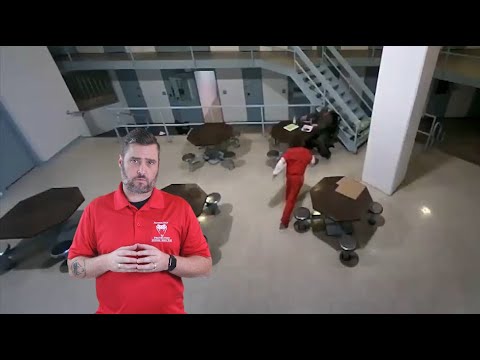
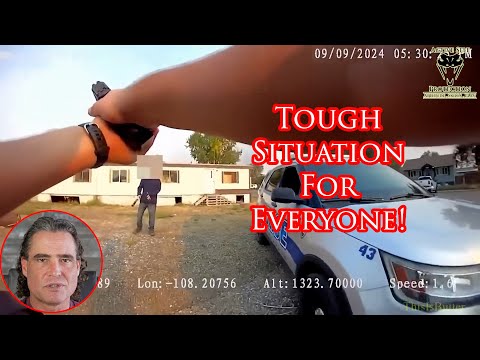
Arizona Trooper Needs Every Ounce of Emotional Fitness He Has

Published on December 21, 2019
Duration: 13:54

This video from Active Self Protection features John Correia, an Evidence-Based Defensive Trainer, analyzing a critical incident involving an Arizona Trooper. The analysis highlights the paramount importance of emotional fitness, effective use of less-lethal options like Tasers, and the necessity of advanced empty-handed combat skills when firearms are inaccessible during violent confrontations. It also touches on the unique challenges faced by law enforcement officers compared to private citizens in self-defense scenarios.

Quick Summary

Analysis of an Arizona Trooper's critical incident highlights the paramount importance of emotional fitness, the limited effectiveness of Tasers (around 50%), and the critical need for empty-handed combat skills when firearm access is impossible. Law enforcement duties differ from private citizen self-defense, requiring officers to manage threats due to their public safety obligations.

Chapters

  1. 00:00Introduction & Emotional Fitness
  2. 00:56Sponsor: Wilderness Tactical Products
  3. 01:05Initial Encounter & Non-Compliance
  4. 02:05Physical Escalation & Taser Deployment
  5. 03:40Lethal Force Incident Analysis
  6. 04:31Incident Aftermath & Background
  7. 05:30LE vs. Citizen Self-Defense Analysis
  8. 07:40Taser Effectiveness Limitations
  9. 08:30Importance of Empty-Handed Skills
  10. 12:08Citizen Intervention Discussion

Frequently Asked Questions

What are the key takeaways from the Arizona Trooper incident analyzed by Active Self Protection?

The analysis emphasizes critical emotional fitness for officers, the limited effectiveness of Tasers (around 50%), and the vital need for empty-handed combat skills when firearm access is impossible during violent struggles. It also contrasts law enforcement duties with private citizen self-defense options.

Why are empty-handed combat skills crucial for law enforcement officers?

During intense, close-quarters altercations, officers may find it physically impossible to draw their firearm. Proficient grappling and empty-handed defense skills become essential for survival and control until a firearm can be safely deployed or the threat neutralized.

What is the effectiveness rate of a Taser, and what factors influence it?

Tasers are estimated to be only about 50% effective. Their success depends on both probes making contact with the target, achieving sufficient spread to complete the electrical circuit and incapacitate the subject.

How does law enforcement self-defense differ from a private citizen's?

Officers have a duty to engage and control non-compliant individuals, meaning they often cannot simply disengage. Private citizens, however, may have the option to retreat or disengage if it is tactically feasible and safe to do so.

Related News

All News →

More Tactical & Gear Videos You Might Like

More from Active Self Protection

View all →