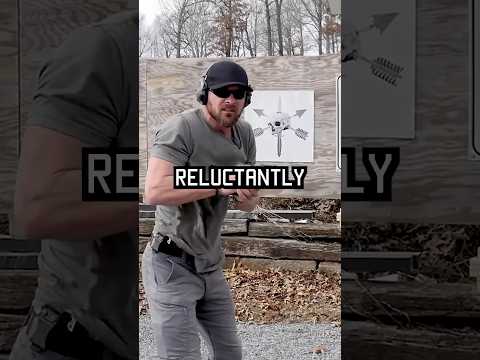
Armed Defender Waits His Turn To Take Armed Robber Down

Published on November 1, 2025
Duration: 10:00

This video from Active Self Protection, featuring expert John Correia, breaks down a defensive encounter where an off-duty officer successfully waited for the opportune moment to neutralize an armed robber. Correia emphasizes 'purposeful compliance,' waiting for a 'visual go signal,' and executing a rapid draw from an unconventional position. The guide covers the critical TAPIFS post-engagement protocol, highlighting the importance of a controlled draw and effective follow-through in a high-stress situation.

Quick Summary

Expert John Correia emphasizes 'purposeful compliance' and waiting for a 'visual go signal' during defensive encounters. He details the importance of a fast, controlled draw (under 1.5 seconds) and the critical TAPIFS post-engagement protocol (Threat, Accomplices, Partners, Injuries, Firearm, Seek Help) for a systematic response.

Chapters

  1. 00:00Introduction and Setting
  2. 00:44CCTV Footage and Initial Robbery
  3. 01:36Perpetrator Background
  4. 02:22Tactical Analysis: Purposeful Compliance
  5. 04:34Carry Methods and Draw Positions
  6. 05:53The Shooting and Manual Safeties
  7. 08:09Post-Engagement Protocol (TAPIFS)

Frequently Asked Questions

What is the TAPIFS protocol for post-engagement?

TAPIFS is a critical post-engagement protocol: Threat (confirm threat is down), Accomplices (check for others), Partners (check on companions), Injuries (self-assess), Firearm (check status/reload), and Seek Help (call emergency services). It ensures a systematic response after a defensive incident.

How should a defender react during an armed robbery?

During an armed robbery, a defender should practice 'purposeful compliance,' appearing cooperative while looking for a tactical advantage. This involves waiting for a 'visual go signal' before acting, rather than immediately engaging.

What are the key takeaways for drawing a firearm defensively?

A defensive draw should be fast and 'visually quiet,' ideally under 1.5 seconds. Practicing from unconventional positions and prioritizing a stable two-handed grip are crucial for effective engagement.

Why is waiting for a 'visual go signal' important?

Waiting for a 'visual go signal,' such as the attacker turning their back or being distracted, provides a critical window of opportunity for a defender to draw and engage with a higher probability of success and reduced risk.

Related News

All News →

More Tactical & Gear Videos You Might Like

More from Active Self Protection

View all →