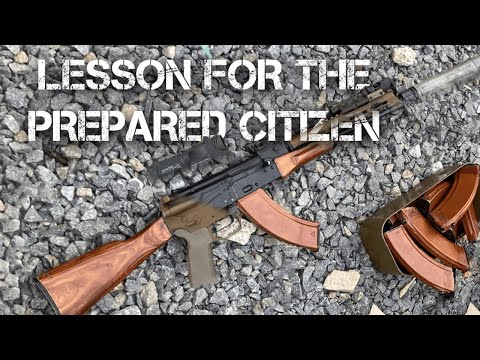
Civilian Green Beret Concept

Published on August 30, 2024
Duration: 11:38

This video explores the 'Civilian Green Beret' concept, advocating for highly prepared individuals to act as force multipliers within their communities. It emphasizes training others, sharing essential gear, and cross-training in various disciplines like CQB, medical, and communications. The host, with high authority in the civilian tactical community, stresses practical application and community empowerment over lone-wolf scenarios.

Quick Summary

The 'Civilian Green Beret' concept emphasizes individuals acting as force multipliers within their communities by training others and sharing essential gear. This approach, drawing parallels to Special Forces operations, prioritizes community empowerment and rapid skill development over the 'lone wolf' model, fostering collective resilience in crises.

Chapters

  1. 00:00The Civilian Green Beret Concept
  2. 00:47Lone Wolf vs. Force Multiplier
  3. 02:24Practical Scenarios for Preparedness
  4. 03:51Fast-Tracking Skills and Equipment
  5. 04:56Historical and Modern Precedents
  6. 06:38The Role of the 'Gun Artist'
  7. 08:50Cross-Training and Community

Frequently Asked Questions

What is the 'Civilian Green Beret' concept?

The 'Civilian Green Beret' concept posits that highly prepared civilians should act as force multipliers within their communities, similar to how Special Forces train indigenous forces. The focus is on elevating the skills of others rapidly.

Why is community preparedness more effective than the 'lone wolf' approach?

The 'lone wolf' trope is often ineffective. A skilled individual acting as a force multiplier can train and equip others, creating a more capable and resilient community network capable of responding to crises.

What role does an experienced individual play in community preparedness?

An experienced individual often acts as a 'catalyst' or 'gun artist,' designing drills, setting standards, researching specialized topics like encrypted comms or advanced medical skills, and fast-tracking others' learning.

What types of training are essential for community preparedness?

Essential training disciplines include communications (radios, software like ATAK), advanced medical skills, tactical movement, CQB (Close Quarters Battle), and potentially specialized skills like rappelling.

More Tactical & Gear Videos You Might Like

More from Brass Facts

View all →