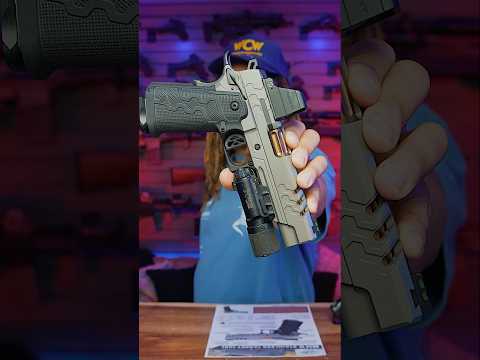
First SHOTS Geissele Super Duty 11.5 & DNT OPTICS Hydra THERMAL - Range Day Vlog

Published on July 30, 2025
Duration: 14:07

This video demonstrates a method for zeroing a thermal optic (DNT Optics Hydra) in conjunction with an LPVO on a Geissele Super Duty 11.5 rifle. The process involves zeroing the thermal first by freezing the image and adjusting its coordinates, then aligning the LPVO to the thermal's zeroed reticle. The presenter highlights the challenges of daytime thermal zeroing and the importance of proper alignment for accurate shooting.


Quick Summary

Zeroing a DNT Optics Hydra thermal involves freezing the target image and adjusting X/Y coordinates. Subsequently, align your LPVO to the thermal's zeroed reticle. For optimal accuracy, final zeroing of LPVOs and combined thermal systems should be performed at 100 yards.

Chapters

  1. 00:48Introduction & Range Setup
  2. 01:02Firearms & Optics Overview
  3. 02:01Zeroing the DNT Optics Hydra Thermal
  4. 03:37Initial Zeroing Challenges
  5. 04:13Refining Thermal Optic Zero
  6. 05:11First Shots with Aligned Optics
  7. 06:33Adjusting for Grouping
  8. 07:25Fine-Tuning Adjustments
  9. 08:01Daytime Thermal Shooting Experience
  10. 09:01Technical Difficulties with Spear LT
  11. 09:13Firing Pin Issue Diagnosis
  12. 10:01Introducing the Kimber CDS9 Classic
  13. 10:41First Shots with Kimber CDS9
  14. 11:40Kimber CDS9 Performance & Grip
  15. 12:14Handling the Compact Kimber
  16. 13:17Adjusting Kimber Sights

Frequently Asked Questions

How do you zero a thermal optic like the DNT Optics Hydra?

To zero the DNT Optics Hydra, you first freeze the image of your target within the thermal's interface. Then, you adjust the optic's X and Y coordinates to align its reticle with the desired point of impact on that frozen image. This establishes the thermal's zero before aligning other optics.

What is the recommended distance for zeroing an LPVO?

While initial zeroing can be done at closer distances, it is recommended to perform final zeroing for an LPVO at 100 yards to ensure accuracy and proper sight picture at longer engagement ranges.

What issues can cause a firearm to not fire rounds?

A common reason for a firearm not firing is a faulty firing pin. This could be due to breakage, fouling within the firing pin channel, or improper assembly, preventing it from striking the primer effectively.

What are the characteristics of the Kimber CDS9 classic pistol?

The Kimber CDS9 classic is a compact pistol noted for its metal frame, likely aluminum, which provides a solid feel. It features polymer grip panels and is suitable for concealed carry, offering a 15-round capacity.

Related News

All News →

More Tactical & Gear Videos You Might Like

More from 2WiLD Guns

View all →