FN 5.7 VS Bulletproof Glass

Published on December 12, 2020
Duration: 12:13

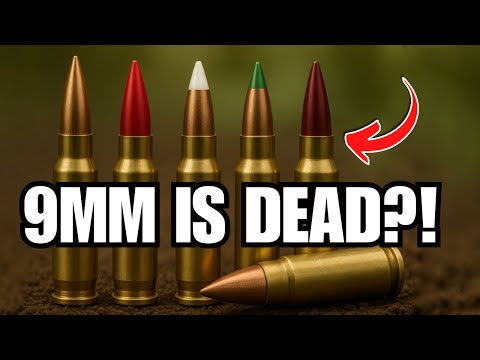
This video details an experimental test comparing the FN 5.7x28mm round against ballistic glass, evaluating its performance relative to common pistol calibers (9mm, .45 ACP) and a 5.56 rifle. The host, Miles Mortensen, demonstrates the 5.7's effectiveness in causing damage but notes its limitations against the tested Lexan panels with hollow point ammunition. The experiment highlights the nuances of projectile performance against different materials and the impact of ammunition type.

Quick Summary

The FN 5.7x28mm, tested against 3A pistol-rated Lexan ballistic glass, showed impressive destructive potential with hollow point rounds, causing deep embedding and material deformation. However, full penetration was not achieved. Standard 9mm and .45 ACP rounds were stopped, and even a 10.5-inch 5.56 rifle was ultimately halted by the material.

Chapters

  1. 00:00Introduction and 5.7 Reputation
  2. 01:13Test Materials and Baseline Gear
  3. 02:449mm and .45 ACP Baseline Tests
  4. 06:125.56 Rifle Comparison
  5. 07:44FN 5.7 Performance Test
  6. 11:01Conclusion and Summary

Frequently Asked Questions

How does the FN 5.7x28mm perform against ballistic glass?

In tests against 3A pistol-rated Lexan, the FN 5.7x28mm hollow point rounds caused significant damage and deformation, embedding deeply. However, they did not achieve full penetration, being stopped by the material.

What other firearms were tested against the ballistic glass?

The test included a CZ P10C chambered in 9mm, a Rock Island 1911 Tac Ultra in .45 ACP, and a 10.5-inch 5.56 rifle equipped with a Vortex optic and Dead Air suppressor for comparison.

Can 9mm or .45 ACP rounds penetrate 3A pistol-rated Lexan glass?

No, the test demonstrated that both 9mm and .45 ACP rounds were stopped by the 3A pistol-rated Lexan panels. The .45 ACP rounds showed surprising effectiveness, with some bouncing off or failing to penetrate the first layer.

What factors influence a rifle's penetration power against ballistic glass?

Barrel length significantly impacts muzzle velocity and thus penetration power. A shorter barrel, like the 10.5-inch 5.56 rifle used, reduces velocity compared to standard rifle lengths, potentially limiting its ability to penetrate hardened materials.

Related News

All News →

More Tactical & Gear Videos You Might Like

More from Ghost Mountain Group

View all →