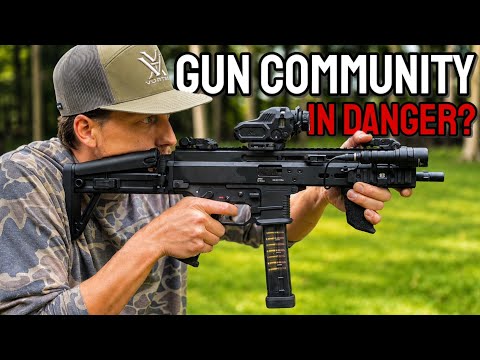
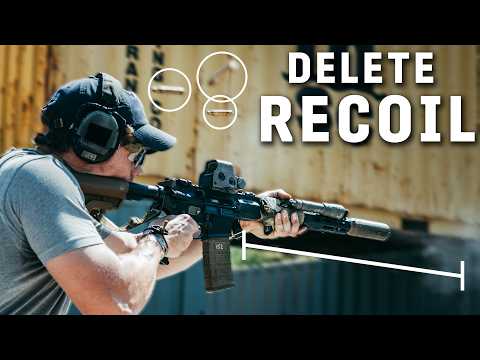
Guns That Fail in Classes and Things You Should Know About SBR’s

Published on July 22, 2025
Duration: 18:07

This video discusses the practical considerations of Short Barreled Rifles (SBRs) with firearms instructor Nick Young. Key takeaways include the benefits of SBRs for suppressor use, the legal complexities involving ATF travel paperwork, and the potential reliability issues and increased violence in shorter-barreled platforms. The discussion also touches on the importance of proper buffer systems and the tendency for 'Franken-guns' to fail in training.

Quick Summary

Short Barreled Rifles (SBRs) offer a compact firearm package, especially with suppressors, but come with legal requirements like ATF travel paperwork. They can be more violent and prone to reliability issues due to shorter gas dwell times, often requiring specialized buffers and springs. 'Franken-guns,' particularly 7.62x39 AR-15s, are known to fail frequently in training.

Chapters

  1. 00:00Intro & SBR Question
  2. 00:18What is an SBR?
  3. 00:30SBR Legalities & Paperwork
  4. 01:09Why Choose an SBR?
  5. 01:31SBRs with Suppressors
  6. 02:16Hodge SBR Examples
  7. 02:5712.5-inch SBR Benefits
  8. 03:46SBR Velocity & Range
  9. 04:35SBR Reliability Concerns
  10. 04:51Short Barrel Gas Systems
  11. 05:05CQBR & Mark 18 Violence
  12. 05:51SBR Buffers & Springs
  13. 06:33Muzzle Devices on SBRs
  14. 06:40Mid-Length vs Carbine Gas on SBRs
  15. 07:12Hodge Carbine Gas Systems
  16. 07:38Recommended SBR Lengths
  17. 08:15Walther PDP Model Comparison
  18. 08:34PDP Steel vs Polymer Frames
  19. 09:01PDP Recoil & Grip
  20. 09:20Buying Two PDPs
  21. 09:51PDP Pro X (Compensated)
  22. 10:22PDP Pro X for USPSA?
  23. 10:53PDP Pro X for Training
  24. 11:08PDP Slide Swapping
  25. 11:24PDP Maintenance
  26. 11:31PDP Firing Pin Issues
  27. 11:41PDP Recoil Springs
  28. 11:49CZ Shadow 2 vs PDP Maintenance
  29. 12:16PDP Striker Channel Cleaning
  30. 12:49PDP Spare Parts
  31. 13:12PDP Trigger Return Springs
  32. 13:44Jiu-Jitsu & Shooting
  33. 13:53Why Not Jiu-Jitsu?
  34. 14:43Sparring Safety
  35. 15:22Value of Combatives
  36. 15:58Guns That Fail in Class
  37. 16:04Franken-guns Failures
  38. 16:147.62x39 AR-15 Failures
  39. 16:34Off-the-Shelf vs DIY Guns
  40. 16:54Red Dots vs Gun Failures
  41. 17:10Torque Wrenches & Loctite
  42. 17:28Fix-it Sticks
  43. 17:49Conclusion & Outro

Frequently Asked Questions

What are the main advantages of a Short Barreled Rifle (SBR)?

SBRs offer a more compact firearm package, especially when paired with a suppressor, making them easier to maneuver in confined spaces. They can also provide a similar velocity to longer barrels while maintaining a smaller footprint.

What legal considerations are there for SBRs?

Owning an SBR requires adherence to federal regulations, including filing specific travel paperwork with the ATF for each destination you intend to transport the firearm to. Failure to comply can result in severe legal penalties.

Why might SBRs experience reliability issues?

Shorter barrels on SBRs often have less gas dwell time, which can lead to more violent cycling. This can necessitate specialized buffer systems (like H3) and springs to ensure reliable operation and mitigate excessive wear.

Which types of firearms are most prone to failure in training classes?

Custom-built 'Franken-guns,' particularly AR-15s chambered in calibers like 7.62x39, are frequently observed to fail, often due to bolt breakage. It's generally recommended to opt for reliable, off-the-shelf firearms built by reputable manufacturers.

What maintenance is typically required for a Walther PDP pistol?

Walther PDP pistols are known for their low maintenance needs. While recoil springs may need occasional replacement, issues like extractor cleaning are rare, and problems like light strikes can often be resolved by cleaning the striker channel.

Related News

All News →

More Tactical & Gear Videos You Might Like

More from Joel Park

View all →