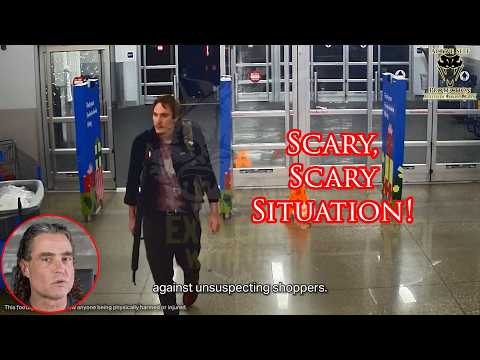
Guys Tries To Take Patrol Car But Gets Mag Dumped

Published on March 16, 2024
Duration: 8:07

This video analyzes a critical incident where an individual fails to comply with police commands, escalating to an attempt to enter a patrol vehicle. The commentary highlights the importance of officer safety, situational awareness, and appropriate use of force escalation, from weapon-mounted lights and verbal commands to lethal and non-lethal options.

Quick Summary

A suspect's attempt to enter a patrol car is a critical escalation, posing a direct threat to the officer and the potential for the suspect to access firearms stored within the vehicle, such as rifles or shotguns.

Chapters

  1. 00:00Introduction: Non-Compliance Consequences
  2. 00:15Initial Encounter & Commands
  3. 01:38Officer's Use of Weapon Light
  4. 02:18Suspect's Evasive Actions
  5. 02:50Analysis of Officer's Commands
  6. 03:35Shift from Lethal to Non-Lethal Force
  7. 04:25Attempt to Breach Vehicle Window
  8. 05:07Officer Seeks Cover and Maintains Threat
  9. 05:47Suspect Exits Vehicle and Runs Towards Patrol Car
  10. 06:10Analysis of Officer's Shooting Decision
  11. 06:31Threat of Patrol Car Contents
  12. 07:12Overall Assessment of Officer's Actions
  13. 07:42Daily Challenges for Law Enforcement

Frequently Asked Questions

Why is suspect non-compliance a critical factor in police encounters?

Suspect non-compliance significantly escalates a situation by indicating a disregard for authority and potentially a willingness to resist, increasing the perceived threat to officers and the public. It often necessitates a more forceful response to ensure safety and regain control.

What are the tactical implications of a suspect attempting to enter a patrol car?

A suspect attempting to enter a patrol car is a severe threat because it can allow them to escape, gain access to weapons stored within the vehicle (like rifles or shotguns), or use the vehicle itself as a weapon against the officer.

When is it appropriate for an officer to use lethal force?

Lethal force is generally justified when an officer reasonably believes they or others are in imminent danger of death or serious bodily harm. This includes situations where a suspect poses a direct threat, such as attempting to access firearms or using a vehicle as a weapon.

What is the significance of a suspect's actions like closing a car door after it's opened by an officer?

When a suspect closes a car door after an officer has opened it, it signals evasion and a lack of cooperation. This action can obscure the officer's view of the suspect and their hands, increasing the uncertainty and potential threat, thus warranting heightened caution.

Related News

All News →

More Tactical & Gear Videos You Might Like

More from Johnny Q

View all →