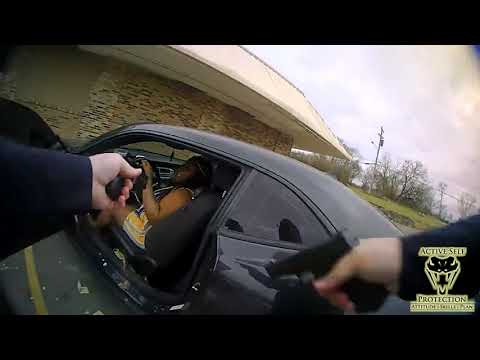
How police officers pulling over other law enforcement can go bad

Published on April 1, 2023
Duration: 1:01

This video, featuring Instructor Mike, analyzes a critical incident where a traffic stop involving law enforcement officers escalates due to a driver identifying as an off-duty correctional officer. It highlights the importance of clear communication and adherence to protocol during such encounters, emphasizing potential risks when officers interact with other armed individuals. The analysis underscores the need for de-escalation and proper identification procedures.

Quick Summary

Instructor Mike analyzes a critical traffic stop where a driver identifies as an armed, off-duty Cook County Sheriff Correctional Officer. The video highlights the inherent risks and procedural complexities when law enforcement officers interact, emphasizing the need for clear communication, proper identification, and de-escalation to prevent dangerous escalation.

Chapters

  1. 00:00Driver Informs Officer of Firearm
  2. 00:14Cook County ID & Taser Presented
  3. 00:27Driver Expresses Irritation
  4. 00:41Address Verification Conflict

Frequently Asked Questions

What are the risks when a police officer pulls over another law enforcement officer?

When an officer pulls over another officer, especially if the stopped officer is off-duty and armed, the situation carries heightened risks. Misunderstandings can escalate quickly, making clear communication, proper identification, and adherence to de-escalation protocols crucial for safety.

How should an off-duty officer behave during a traffic stop?

An off-duty officer stopped by law enforcement should remain calm, clearly identify themselves and their status, and disclose the presence of any firearms or weapons. Providing identification promptly and cooperating with reasonable requests can help prevent escalation and ensure a smoother process.

What information is critical during a traffic stop involving an armed driver?

If the driver is armed, the critical information includes their status (e.g., off-duty officer), the location of the firearm, and any other weapons. This allows the stopping officer to assess the threat level and proceed with appropriate safety measures and procedures.

Why is address verification important in traffic stops?

Address verification is a standard part of traffic stops to confirm identity and ensure proper legal follow-up if necessary. Discrepancies or insistence on a specific address, like the registration address, can sometimes complicate the stop and require further attention from the officer.

Related News

All News →

More Tactical & Gear Videos You Might Like

More from Instructor Mike

View all →