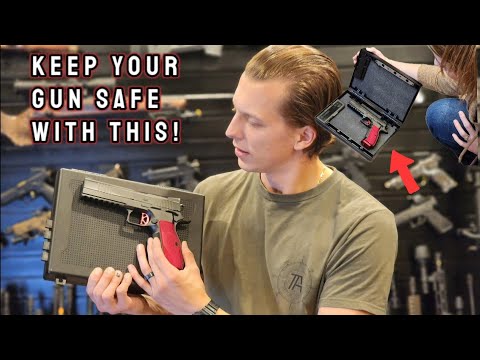
How to Pick the Right Gun Safe and Other Options

Published on February 21, 2019
Duration: 7:25

Instructor Mike details various firearm security options, including trigger locks, cable locks, electronic lock boxes, and gun safes. He emphasizes the importance of ensuring firearms are unloaded before applying any lock and discusses the pros and cons of each method, particularly highlighting potential delays with key-dependent locks in emergency situations and recommending electronic or biometric options for faster access.


Quick Summary

Instructor Mike explains that while trigger locks and cable locks offer basic firearm security, their reliance on keys can cause critical delays in emergencies. Electronic lock boxes and biometric safes are recommended for faster access, with a tip to register multiple digits on biometric devices for guaranteed entry.

Chapters

  1. 00:00Introduction to Firearm Locks
  2. 00:04Types of Firearm Locks
  3. 00:12Trigger Locks Explained
  4. 00:39Demonstrating Trigger Lock Use
  5. 01:08Cable and Key Locks
  6. 01:45Emergency Access Issues with Key Locks
  7. 02:18Electronic Lock Boxes
  8. 02:31Stack-On Electronic Safe Demo
  9. 02:53Biometric Safes
  10. 03:29Biometric Safe Registration Tips
  11. 03:41Effectiveness of Lock Boxes
  12. 03:77Choosing a Gun Safe
  13. 03:88Avoiding Combination Safes
  14. 04:22Firearm Disassembly

Frequently Asked Questions

What are the main types of firearm locks discussed?

The video covers trigger locks (key or combination), cable and key locks that thread through the firearm's action, and electronic lock boxes, which include touchpad and biometric (fingerprint) models. Gun safes are also discussed as a larger storage solution.

What are the drawbacks of key-operated firearm locks?

Key-operated locks, like trigger and cable locks, can be a significant disadvantage in emergency situations. If the key is misplaced or difficult to access under stress, it can cause critical delays in retrieving the firearm for self-defense.

Why are electronic or biometric gun safes recommended over combination safes?

Electronic and biometric safes offer much faster access, often in under a second, which is crucial for self-defense. Traditional combination safes can be problematic if the combination is forgotten, potentially requiring a gunsmith to open, causing significant delays.

What is a key recommendation for biometric safe users?

It is highly recommended to register multiple digits on biometric safes, including all fingers, thumbs, and even a toe. This ensures access is still possible even if one or more digits are injured or unavailable.

Related News

All News →

More Tactical & Gear Videos You Might Like

More from Instructor Mike

View all →