Into the Fray Episode 131: Fighting in the Dark

Published on September 12, 2016
Duration: 2:03

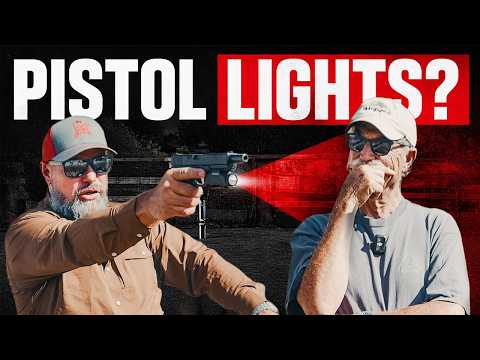
This guide outlines techniques for fighting in low light conditions, emphasizing the use of an everyday carry (EDC) flashlight as both an identification tool and a force option. Instructor Kevin Molowski advises against weapon-mounted lights for searching, advocating for 'blipping' a handheld light while moving to avoid revealing position. Upon identifying a threat, the technique shifts to 'constant on' illumination directly at the attacker before deciding to engage with a firearm.

Quick Summary

When fighting in low light, use your EDC flashlight as a force option by shining it in an attacker's eyes. For searching, 'blip' the light while moving to avoid revealing your position. Once a threat is identified, switch to 'constant on' and aim the light at their face to disorient them before engaging with your firearm.

Chapters

  1. 00:00Introduction and Topic
  2. 00:14Importance of EDC Flashlight
  3. 00:25Flashlight as a Force Option
  4. 00:34Fighting with Pistol and Flashlight
  5. 00:38Critique of Weapon-Mounted Lights
  6. 00:46Searching with a Loaded Flashlight
  7. 00:57The 'Blip' Technique
  8. 01:06Why Constant On Gives Away Position
  9. 01:19Finding and Illuminating Target
  10. 01:24Disorienting the Attacker
  11. 01:29Deciding to Fire
  12. 01:31Engaging the Threat
  13. 01:38Key Takeaways: Keep Moving
  14. 01:46Conclusion and Call to Action

Frequently Asked Questions

What is the primary advantage of using a handheld flashlight over a weapon-mounted light for searching in low-light self-defense scenarios?

A handheld flashlight allows you to search without pointing your firearm at non-threats, which is a critical safety principle. Weapon-mounted lights, when used for searching, inherently sweep your weapon across potential targets, increasing the risk of accidental engagement.

How should a flashlight be used for searching in low-light conditions to maintain tactical advantage?

For searching in low light, use a 'blip' technique: short bursts of light followed by darkness, while continuously moving. This helps identify threats without revealing your exact position, making you a harder target.

What is the recommended flashlight technique once a threat is identified in a low-light engagement?

Once a threat is identified, switch your flashlight to 'constant on' mode and shine it directly into the attacker's face. This disorients them, impairs their vision, and creates an opportunity for you to acquire sights and engage if necessary.

Can a flashlight be used as a force option in a self-defense situation?

Yes, a flashlight can be a force option. Shining it directly into an attacker's eyes can temporarily blind and disorient them, potentially causing them to retreat or hesitate, thus de-escalating the situation without the immediate need for lethal force.

Related News

All News →

More Tactical & Gear Videos You Might Like

More from USCCA

View all →