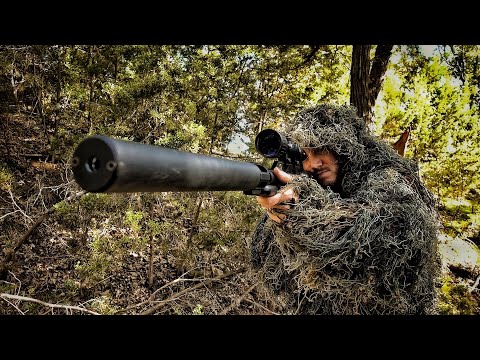
Is Oobleck the Body Armor of the Future?!?!?

Published on November 17, 2021
Duration: 18:43

This video explores the potential of oobleck (a cornstarch and water mixture) as a cost-effective ballistic testing medium. Through a series of tests with various calibers, from .22 LR to .50 BMG, the experiment demonstrates oobleck's surprising ability to slow and stop projectiles. The results highlight how factors like bullet velocity and surface area influence penetration depth, offering valuable insights into terminal ballistics.

Quick Summary

Oobleck, a non-Newtonian fluid of cornstarch and water, was tested as ballistic protection. It demonstrated shear-thickening properties, hardening upon impact to slow projectiles. While effective against smaller calibers, high-powered rounds like the .50 BMG penetrated multiple jugs, indicating limitations for practical body armor.

Chapters

  1. 00:00Intro Skit & Oobleck Premise
  2. 01:18Oobleck Properties Explained
  3. 04:09Test Setup: Arctic Ice Jugs
  4. 05:03.22 LR Penetration Test
  5. 05:469mm Maxim 9 Test
  6. 06:50.45 ACP Carbine Test
  7. 08:31.357 Magnum Rifle Test
  8. 09:5212 Gauge Slug Test
  9. 11:28.300 Blackout Subsonic vs. Supersonic
  10. 15:15.50 BMG Penetration Test

Frequently Asked Questions

What is oobleck and why is it being tested for ballistic protection?

Oobleck is a non-Newtonian fluid made from cornstarch and water. It's being tested because its unique property of hardening under sudden impact, like a bullet strike, suggests it could potentially absorb and dissipate projectile energy, acting as a form of ballistic protection.

How did different calibers perform against oobleck?

Lower velocity rounds like the .22 LR and 9mm were stopped by the first or second jug. Higher velocity rounds like the .357 Magnum and .45 ACP penetrated further. Notably, a 12-gauge slug was stopped by the first jug due to its large surface area, while a .50 BMG penetrated 9 jugs.

Can oobleck be used as a practical body armor material?

While oobleck shows promise in slowing projectiles in controlled tests, its practical application as body armor is limited. Factors like containment, flexibility, and the sheer volume required for effective protection against high-powered rounds make it impractical for wearable armor in its current form.

What is the difference between subsonic and supersonic .300 Blackout in oobleck?

Subsonic .300 Blackout rounds penetrated 8 jugs of oobleck because their lower velocity allowed the fluid to deform gradually. Supersonic rounds, traveling faster, caused the oobleck to harden more rapidly, stopping them in the 5th jug.

More Tactical & Gear Videos You Might Like

More from DemolitionRanch

View all →