Night Vision 101: The Basics

Published on December 12, 2020
Duration: 7:44

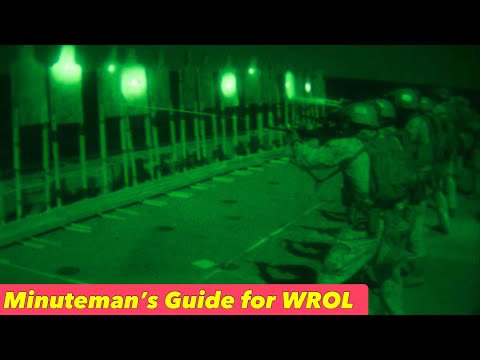
This video breaks down the fundamentals of night vision, explaining the difference between housings and intensifier tubes, and detailing key features like gain and auto-gating. It covers essential PVS-14 controls, focusing mechanisms, and the necessary components for helmet mounting. The content also touches on active vs. passive aiming techniques.

Quick Summary

The PVS-14 is the housing for night vision, containing lenses and controls, while the intensifier tube inside amplifies light. Auto-gating protects the tube from bright light, and minor blemishes in civilian tubes are usually insignificant for field use.

Chapters

  1. 00:00Introduction to Night Vision Basics
  2. 00:29Housings vs. Intensifier Tubes Explained
  3. 01:30Understanding Gain and Auto-Gating
  4. 02:57Tube Quality and Blemishes
  5. 03:40PVS-14 Controls and Features
  6. 04:14Lenses, Focus, and Diopter
  7. 05:12Helmet Mounting Systems Explained
  8. 05:57Active vs. Passive Aiming

Frequently Asked Questions

What is the difference between a night vision housing and an intensifier tube?

The housing, like the PVS-14, contains the lenses, controls, and battery compartment. The intensifier tube, such as the MX10160, is the core component that amplifies available light, determining the device's performance and image quality.

How does auto-gating work in night vision devices?

Auto-gating is a protective feature for the intensifier tube. It rapidly cycles the tube on and off, preventing damage when exposed to sudden bright light sources, ensuring the longevity of the sensitive internal components.

What are common blemishes found in civilian night vision tubes?

Civilian-grade intensifier tubes may exhibit minor 'blemishes,' which are small dark spots. These are typically cosmetic and have negligible impact on the device's effectiveness during practical field use in low-light conditions.

What are the essential components for mounting night vision to a helmet?

Mounting typically requires three parts: a helmet shroud attached to the helmet, a helmet mount (e.g., Rhino II), and a J-arm or swing arm that connects the mount to the night vision monocular.

More Tactical & Gear Videos You Might Like

More from Hop

View all →