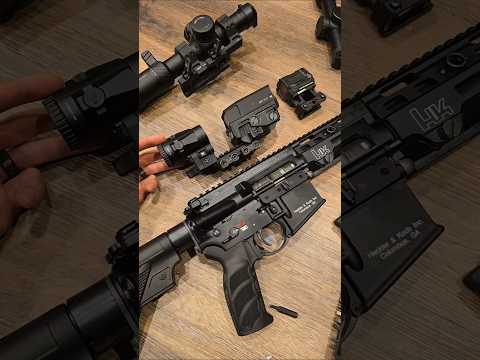
Night Vision: Why Active Aiming is Superior to Passive Aiming

Published on October 4, 2021
Duration: 11:20

This video from Brass Facts compares active aiming (using a laser aiming device) with passive aiming (using optics like NVGs) for rifle engagements in low-light conditions. The presenter argues that active aiming, particularly with a laser, offers superior speed and accuracy for follow-up shots, even considering the increased risk of detection. The discussion emphasizes the importance of understanding the trade-offs and employing lasers judiciously, similar to using a flashlight.

Quick Summary

Active aiming with a laser is generally superior to passive aiming for rifle engagements in low light due to its speed and ability to facilitate rapid follow-up shots. While lasers increase detection risk, their short emission windows and tight beam patterns make them difficult to pinpoint, offering a tactical advantage for target acquisition and tracking.

Chapters

  1. 01:46Introduction: Passive vs. Active Aiming
  2. 02:26Defining Passive Aiming
  3. 02:35Defining Active Aiming with Lasers
  4. 02:49Assumptions for Discussion
  5. 03:23Challenges with Passive Aiming (LPVOs)
  6. 03:49Red Dot Sights vs. Lasers
  7. 04:13Light Dependency and Scenarios
  8. 05:04Interpreting Footage: Different Conclusions
  9. 05:34Presenter's Logic: Continued Laser Use
  10. 06:04Laser Usage: Not Binary, Like a Flashlight
  11. 06:20Difficulty Detecting Lasers
  12. 06:50Seeing Laser Emissions
  13. 07:26Small Detection Window for Lasers
  14. 08:03Trade-offs: Speed vs. Detection
  15. 08:10Active Tracking and Updating
  16. 08:42Follow-up Shot Probability
  17. 09:04Aided vs. Passive Shooting
  18. 09:28Improved Situational Awareness with Lasers
  19. 09:59Passive Aiming as a Last Resort
  20. 10:24Concluding Thoughts and Viewer Engagement

Frequently Asked Questions

What is the primary advantage of active aiming with a laser over passive aiming in low light?

Active aiming with a laser offers superior speed and accuracy for acquiring targets and making rapid follow-up shots. This is crucial in dynamic engagements where multiple shots may be necessary, allowing for better real-time tracking and updating of moving targets.

How does passive aiming with optics like LPVOs compare to active laser aiming?

Passive aiming with LPVOs can be slower due to factors like parallax, focus adjustments, and eyebox limitations. Users often need more time to ensure proper sight alignment, which can be a disadvantage compared to the immediate aiming solution provided by a laser.

Is using a laser aiming device at night a significant risk of detection?

While using a laser increases detection risk, the emission window is typically very short (around 2 seconds). The tight beam pattern and limited field of view of most night vision devices make it difficult for adversaries to pinpoint the laser's source unless they are directly looking at it.

Can red dot sights be considered a form of passive aiming, and how do they compare to lasers?

Red dot sights are used for passive aiming, but can feel more like 'aided' shooting. While some larger window RDS like EOTechs offer better performance, lasers generally provide a faster and more direct aiming solution, especially for rapid follow-up shots.

Related News

All News →

More Tactical & Gear Videos You Might Like

More from Brass Facts

View all →