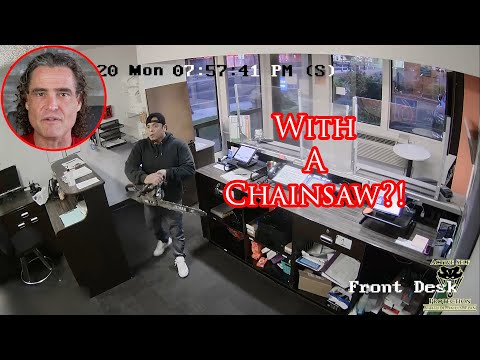
Officer Needs To Stop The Threat Right Now

Published on April 1, 2025
Duration: 13:12

This analysis from Active Self Protection, featuring John Correia and Mike Willever, breaks down a critical officer-involved shooting incident in Santa Ana, California. It highlights the necessity of 'small target capability' for law enforcement, emphasizing precision shooting under extreme stress, effective stress management techniques like combat breathing, and the tactical advantages of gear such as high-candela Weapon Mounted Lights. The experts also discuss officer positioning, communication equipment, and crucial post-engagement actions.

Quick Summary

Expert analysis highlights the critical need for 'small target capability' in law enforcement, emphasizing precision shooting under extreme stress. Techniques like combat breathing and the use of high-candela Weapon Mounted Lights (WMLs) for creating a 'photonic barrier' are discussed as vital tactical advantages.

Chapters

  1. 00:00Introduction and Small Target Capability
  2. 00:56Incident Context
  3. 01:13Bodycam Footage and Engagement
  4. 02:40Tactical Analysis: Distance and Precision
  5. 03:01Stress Management and Mental Prep
  6. 04:31Lighting and Gear
  7. 07:06Shooting Mechanics and Reaction Time
  8. 09:56Second Officer and Communication
  9. 11:56Post-Engagement Actions

Frequently Asked Questions

What is 'small target capability' in law enforcement?

'Small target capability' refers to an officer's ability to accurately shoot at critical, small areas on a threat, like the eye, under extreme stress, going beyond standard qualification targets. This skill is vital for neutralizing threats quickly and effectively.

How can Weapon Mounted Lights (WMLs) aid officers?

High-candela WMLs can create a 'photonic barrier,' temporarily blinding and disorienting a suspect. This provides a significant tactical advantage, allowing the officer to better control the situation and potentially de-escalate or engage effectively.

Why is stress management important for officers responding to critical incidents?

Effective stress management, including techniques like combat breathing, helps officers down-regulate their heart rate and maintain clear decision-making abilities. This is crucial for accurate shooting and appropriate tactical responses during high-stress calls.

What communication gear is preferred for tactical situations?

Lapel microphones are often preferred over traditional 'brick' microphones because they allow officers to maintain a secure, two-handed grip on their firearm, which is critical for weapon retention and accurate shooting.

Related News

All News →

More Tactical & Gear Videos You Might Like

More from Active Self Protection

View all →