Officer Responds To Rifle Fire In Ohio

Published on January 2, 2025
Duration: 15:13

This guide details tactical responses to a rifle threat during a traffic stop, as analyzed by law enforcement veterans. It emphasizes utilizing vehicle cover, the importance of appropriate patrol car equipment, and maintaining emotional fitness during high-stress encounters. The analysis highlights the critical need for officers to counter rifle threats effectively and safely.

Quick Summary

Officers responding to rifle fire should utilize their patrol vehicle for ballistic cover, positioning behind the C-pillar for maximum protection. While waiting for backup is ideal, immediate action may be required. Patrol cars should be equipped with rifles or shotguns, and officers must be qualified to use them to counter high-powered threats effectively.

Chapters

  1. 00:00Introduction & Incident Context
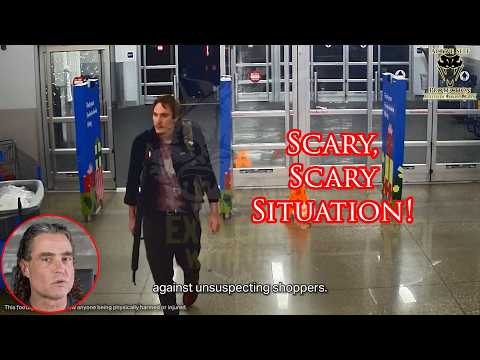
  2. 01:45Suspect with Rifle Identified
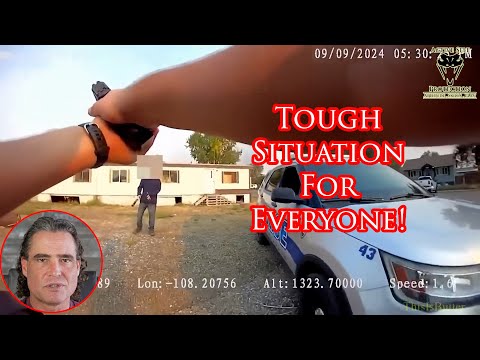
  3. 02:52The Shootout Begins
  4. 05:10Tactical Analysis: Backup Importance
  5. 07:35Patrol Equipment for Rifle Threats
  6. 09:53Arrest and Emotional Fitness
  7. 11:41Utilizing Vehicle Cover
  8. 13:35Final Review and Improvements

Frequently Asked Questions

How should an officer respond to a suspect firing a rifle from a vehicle?

An officer should return fire with their duty pistol while utilizing their patrol vehicle for ballistic cover, specifically moving to the rear C-pillar for maximum protection. Waiting for backup is ideal but not always feasible due to situational urgency.

What is the importance of vehicle cover during a rifle engagement?

Vehicle cover, particularly the engine block and chassis, provides ballistic protection against rifle rounds. Officers should strategically position themselves behind the C-pillar of their patrol car for optimal safety.

What equipment should patrol cars have to counter rifle threats?

Every patrol car should be equipped with a rifle or shotgun, and officers must be qualified to use them. This provides necessary firepower to counter high-powered threats effectively and safely.

Why is emotional fitness crucial for officers during high-stress incidents?

Maintaining emotional fitness allows officers to make sound decisions, such as holstering their weapon before physical apprehension, which prevents potential negligent discharges and ensures safety for all involved.

Related News

All News →

More Tactical & Gear Videos You Might Like

More from Active Self Protection

View all →