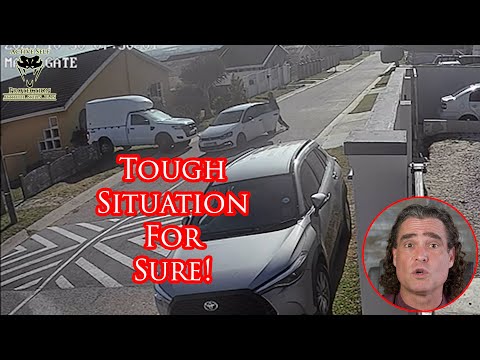
Phoenix Officer Ambushed By Emotionally Disturbed Man

Published on May 16, 2022
Duration: 11:23

This analysis from Active Self Protection, featuring insights from Mike Willever (30 years LE) and John Correia, breaks down a critical incident involving an ambush on a Phoenix officer. It highlights the dangers of calls involving emotionally disturbed persons (EDP), emphasizing tactical handgun techniques like 'clearing the hands' and effective use of cover. The segment also stresses the importance of practicing reloads under stress and carrying on-body trauma kits for immediate life-saving interventions.

Quick Summary

Analysis of a Phoenix officer ambush highlights the extreme danger of calls involving emotionally disturbed persons (EDP). Experts emphasize tactical handgun techniques like 'clearing the hands' for combat readiness, effective use of cover by maintaining distance, and the critical need for practicing reloads under stress. Carrying on-body trauma kits is stressed as vital for immediate life-saving interventions.

Chapters

  1. 00:00Introduction and Sponsor
  2. 00:35The Ambush Incident
  3. 01:20Suspect Background and Response
  4. 02:15Aftermath and Arrest
  5. 02:56Danger of Emotionally Disturbed Person Calls
  6. 04:12Analyzing the Ambush
  7. 05:33Survival Mindset
  8. 06:50Tactical Handgun Use
  9. 07:58Effective Use of Cover
  10. 09:03Reloading Under Stress
  11. 10:13Importance of On-Body Medical Gear

Frequently Asked Questions

What are the key tactical lessons from the Phoenix officer ambush incident?

Key lessons include the high danger of calls involving emotionally disturbed persons (EDP), the importance of 'clearing the hands' for a proper combat grip, and using cover effectively by maintaining distance. The analysis also stresses practicing reloads under stress and carrying on-body trauma kits.

Why is 'clearing the hands' important for law enforcement officers?

'Clearing the hands' refers to dropping administrative items like notepads to establish a stable, two-handed grip on a firearm. This transition is critical for officers to effectively respond to sudden threats and ambushes, moving from a non-combat posture to readiness.

How should officers utilize cover during a gunfight, according to the analysis?

The analysis advises against 'hugging' cover like a vehicle. Instead, officers should back away slightly to gain better sightlines, improve firing angles, and increase maneuverability. This tactical positioning allows for a more dynamic engagement and better defensive capabilities.

What is the significance of carrying trauma kits on one's person?

Carrying trauma kits (tourniquets, gauze) on your person, rather than solely in a vehicle, is crucial for immediate response to life-threatening bleeding. In critical situations, seconds matter, and having medical gear readily accessible can be the difference between life and death.

Related News

All News →

More Tactical & Gear Videos You Might Like

More from Active Self Protection

View all →