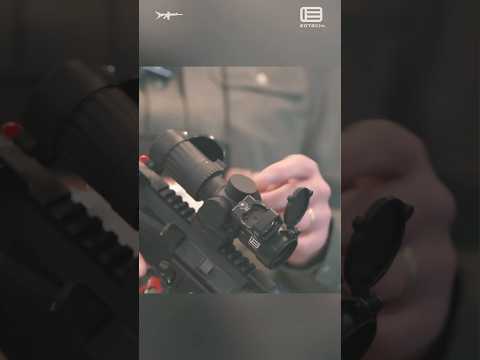
Phoenix Weaponry : Lever Gun Red-Dot Mount

Published on April 8, 2026
Duration: 5:48

This video reviews the Phoenix Weaponry optic mount for lever-action firearms, specifically highlighting its application on a Henry SPD Hush chambered in .38 Special/.357 Magnum. The mount allows for the attachment of optics like the Vortex Defender ST, addressing potential height-over-bore issues common with lever guns. The presenter emphasizes the benefits of direct-to-receiver mounting plates for achieving the lowest possible optic height and reducing failure points compared to stacking multiple rail sections.


Quick Summary

Phoenix Weaponry's optic mounts for lever-action firearms are designed to attach directly to the receiver, providing the lowest possible optic height. This minimizes height-over-bore issues and reduces failure points compared to traditional rail stacking, offering a more robust and streamlined solution for optics like red dots.

Chapters

  1. 00:06Introduction & Kit Badger
  2. 00:12Phoenix Weaponry Optic Mount
  3. 00:27Henry SPD Hush Overview
  4. 00:47Gun Features & Fun Factor
  5. 00:50Factory Rail vs. Aluminum
  6. 01:17Phoenix Weaponry Optic Plate
  7. 01:43Rail Size & Compactness
  8. 02:041913 Rail for Lever Gun
  9. 02:13Compatible Optics & Mounts
  10. 02:20Mounting System Breakdown
  11. 02:34Vortex Defender ST Optic
  12. 02:46Adding Height & Failure Points
  13. 02:54Height Over Bore Issues
  14. 03:06Lever Gun Design & Iron Sights
  15. 03:38Cheek Weld Issues
  16. 03:43Back to Optic Mounts
  17. 03:45Multiple Optic Footprints
  18. 03:53Direct Mount to Receiver
  19. 04:05Supporting Lever Guns
  20. 04:12Receiver Hole Specificity
  21. 04:231913 Rail Mistakes Made
  22. 04:35Happy Accident for Switching Optics
  23. 04:47Ideal Setup for Static Configuration
  24. 04:55Lowest Possible Mount
  25. 05:03Eliminating Failure Points
  26. 05:11Pretty Rad Product
  27. 05:13Price & Affordability
  28. 05:22Made in USA & Materials
  29. 05:30Link Below & Thanks

Frequently Asked Questions

What is the primary benefit of the Phoenix Weaponry optic mount for lever-action firearms?

The main advantage is its ability to mount optics directly to the receiver, achieving the lowest possible optic height. This significantly reduces height-over-bore issues, which are common with lever guns, and minimizes potential points of failure compared to stacking multiple rail sections.

What type of firearms is the Phoenix Weaponry optic mount designed for?

This specific mount is designed for lever-action firearms. The video showcases its use on a Henry SPD Hush, but Phoenix Weaponry offers mounts for various lever guns, noting that receiver hole patterns differ between models.

What materials are used in the Phoenix Weaponry optic mount?

The optic mounts are machined from US aircraft-grade aluminum and are anodized. This contrasts with the factory-provided forged carbon fiber rail on some lever guns, which is described as less robust.

How does the Phoenix Weaponry optic mount compare to a standard 1913 picatinny rail for lever guns?

While Phoenix Weaponry does offer a 1913 rail, their dedicated optic plates are preferred for achieving the lowest optic height. A 1913 rail offers more versatility for users who frequently swap optics, but the plate provides a more integrated and lower-profile solution.

Related News

All News →

More Tactical & Gear Videos You Might Like

More from Kit Badger

View all →