"Pocket Carry" For Self Defense!....380 vs .38 Special!

Published on December 9, 2022
Duration: 10:42

This guide details a practical ballistic gel test comparing .380 ACP and .38 Special calibers for pocket carry, using representative firearms and ammunition. The expert-led comparison focuses on terminal performance through a heavy clothing barrier, providing objective data on penetration and expansion relevant to self-defense scenarios. The analysis adheres to established testing methodologies, including chronograph readings and comparison against FBI standards.

Quick Summary

Expert ballistic gel testing comparing .380 ACP and .38 Special for pocket carry revealed that the .38 Special (110gr FTX) achieved partial expansion and 13.5 inches of penetration through a heavy clothing barrier, while the .380 ACP (90gr FTX) failed to expand and penetrated 16 inches. Both remained within FBI standards.

Chapters

  1. 00:00Introduction and Setup
  2. 00:43Ammunition Specifications
  3. 01:24Firearms Overview
  4. 02:12Velocity Testing
  5. 04:01Ballistic Gel Testing
  6. 07:01Results Analysis

Frequently Asked Questions

How do .380 ACP and .38 Special perform in ballistic gel tests for pocket carry?

In tests with a heavy clothing barrier, .380 ACP averaged 902 fps and failed to expand, penetrating 16 inches. The .38 Special averaged 838 fps, expanded partially, and penetrated 13.5 inches, with both staying within FBI standards.

What firearms were used to test .380 ACP and .38 Special pocket carry rounds?

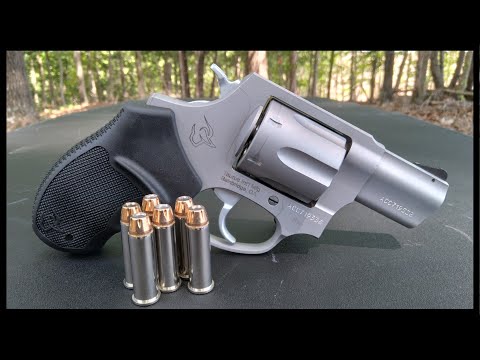
The test utilized a Ruger LCP Max with a 2.8-inch barrel for the .380 ACP caliber and a Taurus 856 with a 2.0-inch barrel for the .38 Special caliber, representing common pocket carry options.

What ammunition was used in the .380 ACP vs .38 Special comparison?

Hornady Critical Defense ammunition was used, specifically a 90-grain FTX projectile for the .380 ACP and a 110-grain FTX projectile for the .38 Special, to evaluate terminal ballistics.

Did the tested pocket carry rounds meet FBI penetration standards?

Yes, both the .380 ACP and .38 Special projectiles, after passing through a heavy clothing barrier, achieved penetration depths of 16 inches and 13.5 inches respectively, falling within the FBI's recommended 12-18 inch range.

What are the key differences in terminal ballistics between .380 ACP and .38 Special from pocket pistols?

From short-barreled pocket pistols, .38 Special generally offers slightly more energy due to heavier bullets and demonstrated better expansion through barriers in this test, while .380 ACP can be more prone to tumbling and non-expansion with certain loads.

More Tactical & Gear Videos You Might Like

More from Tools&Targets

View all →