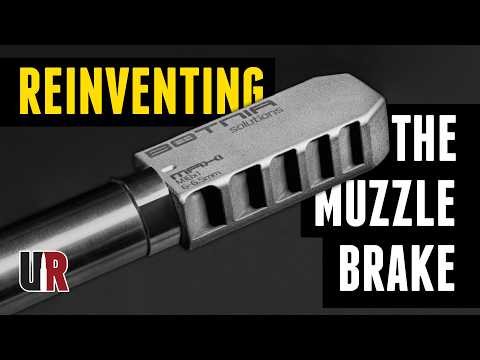
Porting vs Compensator which do I prefer 🤔

Published on June 12, 2024
Duration: 11:10

This video compares aftermarket compensators with factory ported barrels for recoil reduction. The speaker prefers factory porting due to its reliability with various ammunition types and its advantage for concealed carry, as it does not add significant length to the firearm. Compensators require tuning with lighter recoil springs for reliable cycling and add considerable length, making them less ideal for concealed carry.

Quick Summary

For concealed carry, factory ported barrels are preferred over aftermarket compensators because they don't add extra length, enhancing comfort and concealability. While compensators reduce recoil, they often require firearm tuning with lighter springs and significantly increase the firearm's overall dimensions.

Chapters

  1. 00:01Intro & Channel Welcome
  2. 00:47Compensators vs. Ported Barrels Discussion
  3. 00:57Compensator Build Overview
  4. 01:39Compensator Tuning Requirements
  5. 02:14Compensator Length & Concealability Issues
  6. 03:28Factory Ported Handgun Introduction
  7. 04:44Factory Porting vs. Compensator Preference
  8. 04:53Factory Porting Reliability & Performance
  9. 05:36Preference for Factory Porting
  10. 06:06Comfort Comparison for Concealed Carry
  11. 06:21Recoil Reduction Comparison
  12. 07:04Holster Comfort for Ported Barrel
  13. 07:21Aesthetics vs. Practicality
  14. 07:35Experience with Other Compensators
  15. 07:46Radian Ramjet Discussion
  16. 08:30Final Choice: Factory Porting for CCW
  17. 09:00Support the Channel: Subscribe
  18. 09:39Upcoming Content Previews
  19. 10:49Outro & Channel Sign-off

Frequently Asked Questions

What are the main differences between firearm compensators and ported barrels?

Compensators are aftermarket attachments that redirect muzzle gas upward to reduce recoil and muzzle rise. Ported barrels have ports machined directly into the barrel, achieving a similar effect without adding external length. Compensators often require tuning with lighter recoil springs for reliable cycling.

Which is better for concealed carry: a compensator or a ported barrel?

Ported barrels are generally better for concealed carry because they do not add significant length to the firearm, making them more comfortable to wear and conceal. Compensators add length, which can be uncomfortable and print more easily.

Do compensators require special tuning for firearms?

Yes, aftermarket compensators often require tuning. This typically involves using lighter recoil springs than the firearm's standard springs to ensure the slide cycles reliably with the added weight and gas redirection from the compensator.

How does ammunition type affect recoil reduction with ported barrels?

Ported barrels tend to show more noticeable recoil reduction with higher-pressure ammunition, such as 124-grain loads or +P ammunition. With standard pressure loads, the effect might be less pronounced.

Related News

All News →

More Tactical & Gear Videos You Might Like

More from Appalachian Smokewagon

View all →