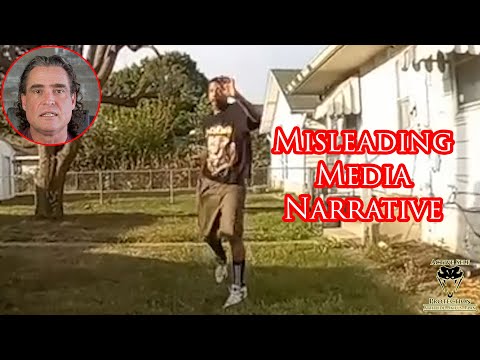
Responding Officer Has A Negligent Discharge

Published on June 28, 2021
Duration: 6:11

This analysis, presented by John Correia, an evidence-based defensive trainer, dissects a negligent discharge incident involving a police officer. Correia critically examines the officer's decision-making, highlighting the 'sympathetic squeeze' phenomenon where hand tension led to an accidental discharge. The video emphasizes crucial firearm safety principles and tactical considerations for law enforcement during arrests.

Quick Summary

An officer's negligent discharge occurred due to a 'sympathetic squeeze,' where hand tension during a struggle caused an accidental shot. Expert John Correia emphasizes firearm safety: keep the finger off the trigger, maintain muzzle discipline, and holster before going hands-on to prevent such incidents.

Chapters

  1. 00:00Introduction: Lake Havasu City Incident
  2. 00:33Bodycam Footage: The Pursuit
  3. 01:04The Negligent Discharge
  4. 01:40Incident Aftermath
  5. 02:26Tactical Analysis: Use of Force
  6. 03:12The Sympathetic Squeeze Explained
  7. 04:17Firearm Safety Lessons

Frequently Asked Questions

What is a 'sympathetic squeeze' in firearms handling?

A 'sympathetic squeeze' is an involuntary muscle contraction that can occur during high stress or physical exertion. This can cause a shooter's trigger finger to unintentionally press the trigger, leading to an accidental discharge, as seen in this police bodycam incident.

What are the key firearm safety lessons from this negligent discharge video?

Key lessons include maintaining strict muzzle discipline, keeping the trigger finger high on the frame until a decision to fire is made, and crucially, holstering the firearm before engaging in physical contact with a suspect to prevent accidental discharges.

Why is it dangerous to draw a firearm during a physical struggle?

Drawing a firearm during a physical struggle significantly increases the risk of an accidental discharge due to involuntary muscle contractions like the 'sympathetic squeeze.' It's safer to holster the weapon before going hands-on unless an immediate, lethal threat necessitates drawing.

What tactical considerations are highlighted by this incident?

The incident highlights the importance of threat assessment before drawing a weapon. Drawing unnecessarily, especially against a suspect with non-violent warrants, escalates the situation. Proper procedure dictates holstering before physical apprehension.

Related News

All News →

More Tactical & Gear Videos You Might Like

More from Active Self Protection

View all →