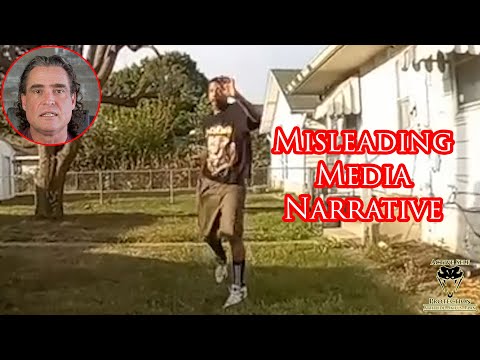
Suspect Takes Officer's Gun: Two Officers Injured

Published on May 9, 2024
Duration: 23:16

This analysis from Active Self Protection dissects a critical incident where officers were injured and a suspect gained control of a firearm. It highlights crucial lessons in communication, suspect management, weapon retention, and the severe risks associated with improper shooting techniques during struggles. The expert commentary emphasizes the need for advanced defensive tactics training and stringent accountability for marksmanship failures to prevent friendly fire incidents.

Quick Summary

Expert analysis from Active Self Protection dissects an officer-involved shooting, emphasizing that retention holsters require active defensive tactics to prevent weapon grabs. The critique highlights tactical errors like poor positioning and dangerous 'point shooting,' stressing the need for advanced training to avoid friendly fire and maintain firearm control.

Chapters

  1. 00:00Introduction and Incident Context
  2. 03:48The Struggle and Shooting
  3. 07:35Tactical Analysis: Communication and Positioning
  4. 10:18Weapon Retention and Defensive Tactics
  5. 15:02Critique of Marksmanship and Training Standards

Frequently Asked Questions

What are the key takeaways regarding weapon retention from the Active Self Protection analysis?

The analysis stresses that retention holsters only delay, not prevent, weapon grabs. Active defensive tactics and techniques like fouling the action are crucial for officers to maintain control of their firearms during physical struggles.

What tactical errors were identified in the incident analysis?

Key tactical errors included poor officer positioning that cornered the suspect, and a critical failure in weapon retention. The analysis also heavily criticized 'point shooting' by backup officers due to the high risk of friendly fire.

Why is 'fouling the action' important in a firearm struggle?

Fouling the action, such as gripping the slide of a semi-automatic pistol, is a defensive technique to intentionally jam the firearm's mechanism. This prevents it from cycling or firing subsequent rounds, even if the suspect has gained control of the weapon.

What are the implications of the marksmanship critique in the video?

The critique highlights the severe danger of 'point shooting' without proper sights in chaotic situations. It calls for higher training standards and accountability, emphasizing that officers must meet basic proficiency to avoid endangering themselves and their colleagues.

Related News

All News →

More Tactical & Gear Videos You Might Like

More from Active Self Protection

View all →