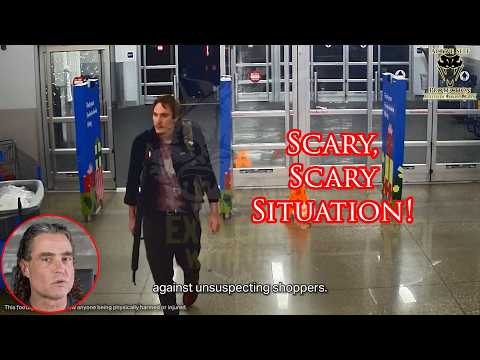
Responding Officer Met With Immediate Gunfire

Published on March 19, 2024
Duration: 14:47

This analysis of an officer-involved shooting incident, presented by John Correia and Mike Willever, highlights critical tactical lessons. It emphasizes the importance of immediate heightened alertness during high-risk calls, effective weapon deployment from retention holsters (noting a 0.75-second draw time), and crucial post-engagement protocols like 'blood checks' and proactive reloads. The video also critiques equipment limitations, such as the lack of an external shoulder mic on police radios, which can impede communication during critical moments.

Quick Summary

Expert analysis of an officer ambush reveals the critical importance of a 0.75-second draw time from a Safariland ALS holster, saving the officer's life. Key takeaways include heightened alertness on high-risk calls, effective use of cover, and essential post-engagement protocols like 'blood checks' and proactive reloads, alongside critiques of outdated radio equipment.

Chapters

  1. 00:00Introduction & Incident Overview
  2. 01:00Bodycam Footage: Ambush Unfolds
  3. 02:40Suspect Apprehension
  4. 04:51Tactical Analysis: Mindset & Alertness
  5. 07:45Draw Speed Analysis
  6. 09:12Post-Engagement Protocols
  7. 11:45Equipment Critique

Frequently Asked Questions

What is the significance of the officer's draw time in the ambush scenario?

The officer's draw time of approximately 0.75 seconds from a Safariland ALS holster was crucial. This rapid deployment of his firearm under immediate threat likely saved his life by allowing him to return fire effectively and neutralize the danger.

What tactical lessons can be learned from this officer-involved shooting?

Key lessons include maintaining extreme alertness on high-risk calls, the importance of cover, the necessity of rapid weapon deployment from retention holsters, and critical post-engagement procedures like 'blood checks' and proactive reloads.

What equipment critique was highlighted in the video?

The analysis pointed out the inadequacy of the officers' radio equipment, specifically the lack of an external shoulder microphone. This forced officers to compromise their tactical stance to communicate, highlighting a need for better gear.

Why are 'blood checks' important after a shooting incident?

'Blood checks' are vital because the high levels of adrenaline present after a violent encounter can mask pain and the severity of injuries. A thorough check ensures all officers are accounted for and any wounds are identified and treated promptly.

More Tactical & Gear Videos You Might Like

More from Active Self Protection

View all →