Riflespeed Adjustable Gas System

Published on March 23, 2023
Duration: 24:05

This video provides an in-depth look at the RifleSpeed fully adjustable gas system, highlighting its user-friendly, tool-less adjustment mechanism with 12 numbered settings. The presenter demonstrates how to tune the system for optimal performance both suppressed and unsuppressed, emphasizing the importance of specific settings for different ammunition types and environmental conditions. The review showcases its effectiveness in resolving severe over-gassing issues on various platforms, including a .308 rifle.

Quick Summary

The RifleSpeed adjustable gas system offers a significant advantage with its tool-less, hand-adjustable knob featuring 12 numbered settings. This allows for precise and repeatable gas flow adjustments, ideal for optimizing firearm performance with suppressors or different ammunition types, unlike older systems that require tools and lack clear indicators.

Chapters

  1. 00:08Introduction to RifleSpeed Adjustable Gas System
  2. 00:16Comparison to Traditional Gas Blocks
  3. 00:26User-Friendliness of Adjustable Gas Systems
  4. 00:56Traditional Set Screw vs. Detent Systems
  5. 01:26Introducing the RifleSpeed Fully Adjustable Gas Valve
  6. 01:38Tool-Less Adjustment and Numbered Settings
  7. 02:03SHOT Show Introduction and Testing Period
  8. 02:22RifleSpeed Upper Receiver and Assembly
  9. 02:33Adjustment Knob Lengths and Handguard Compatibility
  10. 03:00Longer Knobs for Extended Handguards
  11. 03:24Gas System on a .308 Rifle
  12. 03:39Barrel Diameter Compatibility
  13. 04:02Components of the Adjustable Gas System
  14. 04:23Disassembly of the Adjustment Valve
  15. 04:37The Adjustment Pin and Gas Restriction
  16. 04:53Spring and Knob Replacement
  17. 05:17Indexing to Setting 12
  18. 05:21SBR with Carbine Length Gas System and Long Handguard
  19. 05:32GSL Multi-Caliber Suppressor Use
  20. 05:40Range Test: Tuning the Gas System
  21. 05:47Testing Setting 1 (Suppressed Expectation)
  22. 06:09Results from Setting 1
  23. 06:21Increasing to Setting 3
  24. 06:40Increasing to Setting 6
  25. 06:55Increasing to Setting 8 (Unsuppressed)
  26. 07:37Optimal Unsuppressed Tuning with PMC Ammunition
  27. 07:55Adjusting for Low-Pressure Ammunition (Wolf)
  28. 08:09Transitioning to Suppressed Fire
  29. 08:28Attaching the SilencerCo 36M Suppressor
  30. 08:57Adjusting Gas for Suppressed Use (Backing Off)
  31. 09:01Reducing Setting from 8 to 6
  32. 09:14Further Reduction to Setting 3
  33. 09:35Testing Setting 3 Suppressed
  34. 10:00Testing Setting 1 Suppressed
  35. 10:16Reliable Cycling on Setting 1 Suppressed
  36. 11:48Summary of Suppressed Tuning Process
  37. 11:54Recommended Suppressed Tuning Procedure
  38. 12:07Adding Extra Gas for Reliability (Plus One/Two)
  39. 12:19Comparison of Suppressed (1) vs. Unsuppressed (8) Settings
  40. 12:42Benefits of Position 8 for Unsuppressed Use
  41. 12:50Adjusting for Real-World/Harsh Environments
  42. 12:57Full Adjustability for Environmental Conditions
  43. 13:14The Game-Changer: Numbered Settings
  44. 13:27Practicality for Everyday Shooters vs. Professionals
  45. 13:40Two-Position Valves for Average Users
  46. 13:44Knowing How to Use the System
  47. 13:55Ammunition Consistency in Military/LE
  48. 14:01Texas Weather and Ammunition Adjustments
  49. 14:09Over-Gassing with Suppressor at Setting 8
  50. 14:26Optimizing Rifle Operation
  51. 14:32Effects of Suppressors on Rifles
  52. 14:46RifleSpeed as a Game Changer
  53. 14:50Comparison to Previous Systems (Lack of Numbers)
  54. 14:56Odin Gas Block with Clicks vs. RifleSpeed Numbers
  55. 15:12Streamlined and Simpler Operation
  56. 15:16Cost of the RifleSpeed System
  57. 15:24Installation: Set Screws and Drill/Pinning
  58. 15:30Criterion Barrel with Dog Nose
  59. 15:35.308 Rifle with Set Screws Only
  60. 15:38Drill and Pinning Recommendation
  61. 15:43Problem .308 Rifle: Suppressed Firing Issues
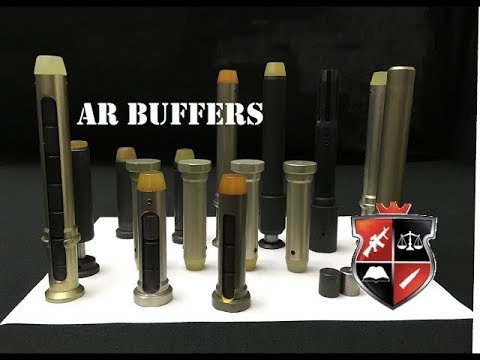
  62. 15:59Diamondback Firearms Contract and Collection Rifle
  63. 16:15Laser Engraving 'Small Arms Solutions'
  64. 16:22Initial .308 Performance (Unsuppressed)
  65. 16:35Attempting Suppressed Fire
  66. 16:40Muzzle Device and Suppressor Attachment
  67. 16:46Severe Over-Gassing and Failures
  68. 16:55Buffer Tube Modifications
  69. 17:02Standard Commercial M4 Type Buffer
  70. 17:15Bolt Carrier Bouncing
  71. 17:18Switching to AR-10 Buffer with H3 Weight
  72. 17:24Improvement but Not Full Reliability
  73. 17:31Wide Gas Port Issue
  74. 17:38Contacting RifleSpeed for Review
  75. 17:44Installing the Adjustable Gas System on .308
  76. 17:52Range Test: .308 with RifleSpeed System
  77. 17:56Starting at Setting 1 Suppressed
  78. 18:00Opening Gas Port Until Reliable Lock Back
  79. 18:17Increasing to Position 3
  80. 18:33Bolt Did Not Lock Back at Position 3
  81. 18:44Increasing to Next Setting
  82. 19:05Testing Further Settings
  83. 19:18Achieving Lock Back
  84. 19:27Suppressed Setting Identified: Position 5
  85. 19:50RifleSpeed Cures Over-Gassing on .308
  86. 20:00100% Reliable Cycle with Suppressor
  87. 20:03Ejection Pattern at 3-4 O'Clock
  88. 20:38Recap of .308 Suppressed Firing Issues
  89. 20:47Receiver Extension Modification (AR-10 Buffer, H3)
  90. 21:11Adjustable Gas System as the Solution
  91. 21:15RifleSpeed Cures the Problem
  92. 21:35Shutting Down Gas Port for Reliability
  93. 21:39Original Design: Unsuppressed .308
  94. 21:52RifleSpeed Solves the Problem
  95. 22:00Overall Product Purchase Options
  96. 22:05Knob Length Options
  97. 22:21Changing Knob Length Later
  98. 22:32RifleSpeed Drill and Pin Service
  99. 22:44Importance of Drilling and Pinning
  100. 22:49Potential for Gas Block Movement
  101. 22:53Dimple on Adjustment Knob
  102. 23:06Overall Product Recommendation
  103. 23:16Range of Motion with Standard Screws vs. 12 Positions
  104. 23:2512 Positions Suffice for Optimal Tuning
  105. 23:30Practicality and Ease of Use
  106. 23:40Memorizing Settings (Suppressed vs. Unsuppressed)
  107. 23:44Best Designed Adjustable Gas System
  108. 23:49Two-Position Valves for Average Shooters
  109. 23:57Excellent Option for Advanced Shooters
  110. 23:59Conclusion and Call to Action

Frequently Asked Questions

What makes the RifleSpeed adjustable gas system stand out from traditional options?

The RifleSpeed system features a tool-less, hand-adjustable knob with 12 numbered settings, allowing for precise and easily repeatable adjustments without needing an Allen key. This contrasts with older systems that often rely on set screws or detents, making them less user-friendly and harder to recall specific settings.

How do you properly tune an adjustable gas block for suppressed shooting?

For suppressed shooting, start with the gas system on its lowest setting. Fire a round and check if the bolt locks back. If not, incrementally increase the gas setting until reliable bolt lock-back is achieved. It's then recommended to back off one or two settings to prevent over-gassing, especially as the firearm heats up.

What are the benefits of using an adjustable gas system on an AR-15 or AR-10?

Adjustable gas systems allow users to fine-tune the amount of gas cycling the action, which is crucial for optimizing reliability with different ammunition types, barrel lengths, and the use of suppressors. This can reduce recoil, prevent over-gassing, and ensure consistent operation.

Can the RifleSpeed adjustable gas system be used on different barrel diameters?

Yes, the RifleSpeed adjustable gas system is available for three common barrel diameters: .750 inches, .875 inches, and .625 inches, ensuring compatibility with a wide range of rifle builds.

More Tactical & Gear Videos You Might Like

More from SmallArmsSolutions

View all →