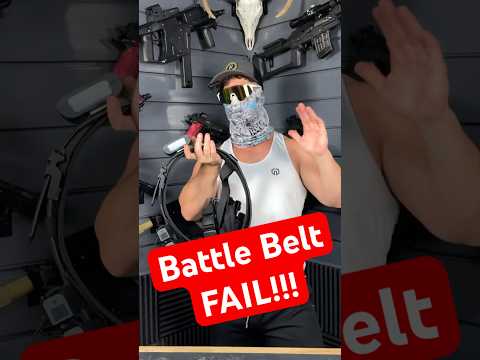
Setting Up A Battle Belt | Bill Quirk

Published on December 5, 2020
Duration: 9:04

This guide, presented by Bill Quirk, an expert with 10 years of task force experience, details how to set up a battle belt. It covers different belt types, including conventional padded war belts and micro battle belts, and provides practical advice on gear placement, emphasizing minimalism and accessibility for duty, training, and home defense applications. Key principles include strategic placement of essential items like holsters, magazine pouches, medical gear, and avoiding belt overload.

Quick Summary

Expert Bill Quirk advises setting up a battle belt by prioritizing essential gear like a holster, magazine pouches, tourniquet, and IFAK, ensuring ambidextrous access and avoiding the small of the back. He recommends minimalism, carrying only what's necessary, and choosing between wider padded war belts or thinner micro battle belts based on comfort and application needs for duty, training, or home defense.

Chapters

  1. 00:10Introduction to Battle Belts
  2. 00:27Old Duty Belt Setup
  3. 01:13Duty Belt Contents
  4. 01:56Minimal Carry Philosophy (Duty)
  5. 02:16Conventional Padded War Belt
  6. 02:38Padded War Belt Contents
  7. 03:06Current Micro Battle Belt
  8. 04:05Micro Battle Belt Contents
  9. 04:20Common Belt Principles
  10. 05:26Avoid Overloading Belts
  11. 06:12Single AR Mag Philosophy
  12. 06:52Battle Belt Applications

Frequently Asked Questions

What are the key components of a well-set-up battle belt?

A well-set-up battle belt typically includes a holster for your firearm, magazine pouches for spare ammunition, a tourniquet, and an Individual First Aid Kit (IFAK). The placement should prioritize quick, ambidextrous access and avoid the small of the back.

What is the difference between a war belt and a micro battle belt?

A conventional war belt is generally wider and more padded for comfort during extended wear, often worn over other clothing. A micro battle belt is typically thinner, often a 2-inch system with an inner belt, offering more flexibility and a lower profile.

Why is it important to avoid overloading a battle belt?

Overloading a battle belt can lead to discomfort, reduced mobility, and hinder access to essential gear. The focus should be on carrying only what is necessary and regularly utilized for the intended purpose, ensuring efficiency and readiness.

What are the main applications for a battle belt?

Battle belts are versatile and applicable for law enforcement seeking enhanced capability, firearms trainers needing a convenient range setup, and for home defense, providing quick access to critical gear like firearms, medical supplies, and flashlights.

Related News

All News →

More Tactical & Gear Videos You Might Like

More from Big Daddy Unlimited

View all →