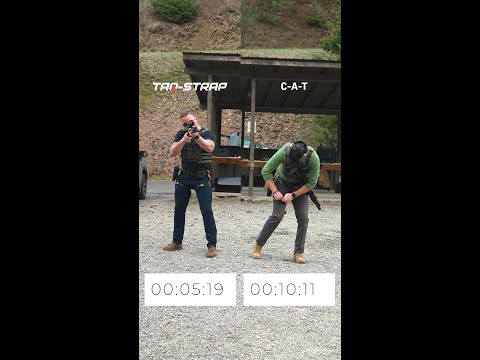
Taq-Strap: Ambush Scenario

Published on July 18, 2024
Duration: 1:20

This video demonstrates a critical tactical drill for law enforcement officers and armed citizens facing a vehicle ambush. It highlights the use of the Taq-Strap for immediate firearm access and the rapid transition to applying a deliberate tourniquet for a leg wound, emphasizing maintaining situational awareness throughout the process. The drill covers unholstering, engaging threats, seeking cover, and proper tourniquet placement.

Quick Summary

The Taq-Strap allows for rapid firearm deployment from a patrol vehicle during an ambush. In a self-aid scenario, apply a tourniquet 2-3 inches above a leg wound, ensuring it's locked down effectively, all while maintaining visual contact with the threat and seeking cover.

Chapters

  1. 00:00Introduction to Ambush Scenarios
  2. 00:04Taq-Strap Placement and Function
  3. 00:07Vehicle Ambush Scenario Simulation
  4. 00:12Firearm Deployment and Engagement
  5. 00:16Transition to Tourniquet Application
  6. 00:21Threat Engagement and Wound Assessment
  7. 00:30Self-Aid: Tourniquet Application
  8. 00:42Establishing Cover and Partner Support
  9. 00:47Deliberate Tourniquet Procedure
  10. 00:52Wound Assessment and Tourniquet Placement
  11. 01:00Securing the Tourniquet
  12. 01:14Post-Intervention Actions

Frequently Asked Questions

What is the primary benefit of the Taq-Strap in an ambush scenario?

The Taq-Strap is designed to sit on your thighs, enabling rapid unholstering and deployment of your firearm from a patrol vehicle during an ambush, significantly reducing reaction time in critical situations.

How should a tourniquet be applied in a tactical self-aid situation?

In a tactical self-aid scenario, after securing cover and assessing the wound, apply the tourniquet 2-3 inches above the injury. Ensure it is locked down effectively to occlude blood flow while maintaining situational awareness.

What tactical considerations are important during a vehicle ambush drill?

Key considerations include visualizing scenarios, maintaining immediate firearm access, engaging threats, seeking cover, and performing self-aid like tourniquet application. Partner support and situational awareness are also vital.

When should you transition to a deliberate tourniquet application?

You should transition to a deliberate tourniquet application as soon as it is tactically feasible after sustaining a severe limb wound, ideally after neutralizing immediate threats and establishing cover.

More Tactical & Gear Videos You Might Like

More from Alien Gear Holsters

View all →