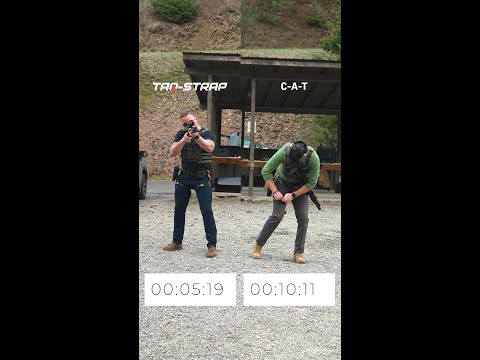
Taq-Strap vs. CAT Tourniquet

Published on September 30, 2023
Duration: 0:29

This video demonstrates a critical time-based comparison between the Taq-Strap and the CAT Tourniquet for immediate application during a simulated combat injury. The Taq-Strap significantly outperformed the CAT tourniquet, with application times of 9.19 seconds versus 21.19 seconds, highlighting the Taq-Strap's superior ease of use, especially under stress. The test emphasizes the importance of rapid medical intervention in tactical scenarios.

Quick Summary

The Taq-Strap was applied in 9.19 seconds, significantly faster than the CAT tourniquet which took 21.19 seconds. This test highlights the Taq-Strap's superior ease of use and speed for one-handed application in critical trauma care scenarios.

Chapters

  1. 00:00Drill Initiation & Target Engagement
  2. 00:04Injury Simulation & Tourniquet Deployment Start
  3. 00:09Taq-Strap Application Complete (9.19s)
  4. 00:11CAT Tourniquet Application Difficulty
  5. 00:21CAT Tourniquet Application Complete (21.19s)

Frequently Asked Questions

How fast can the Taq-Strap be applied compared to a CAT Tourniquet?

In a direct comparison test, the Taq-Strap was applied in 9.19 seconds. The traditional CAT tourniquet required 21.19 seconds, demonstrating the Taq-Strap's significant speed advantage in emergency situations.

What is the main advantage of the Taq-Strap shown in the test?

The primary advantage demonstrated is its significantly faster and easier one-handed application, especially under stress. This speed is critical for effective trauma care in tactical or emergency scenarios.

What scenario was simulated in the Taq-Strap vs CAT Tourniquet video?

The video simulates a tactical drill where shooters engage targets, then simulate a leg injury. They immediately deploy a tourniquet, comparing the speed and ease of applying the Taq-Strap versus a standard CAT tourniquet.

Why is rapid tourniquet application important in tactical situations?

Rapid application is vital for managing life-threatening extremity hemorrhage, often referred to as 'stopping the bleed.' In 'Care Under Fire' scenarios, seconds saved in applying a tourniquet can directly impact survival rates.

Related News

All News →

More Tactical & Gear Videos You Might Like

More from Alien Gear Holsters

View all →