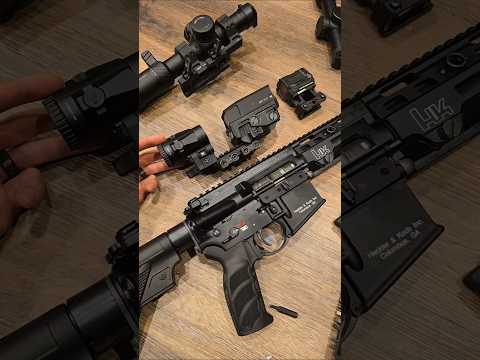
The 3rd holographic sight ever released

Published on August 22, 2025
Duration: 12:57

This review of the DOT EHS1 holographic sight highlights its unique position as the third holographic weapon sight on the market. While it offers a compact footprint and a shake-awake feature, its 2.26 height over rail and first-generation quirks like refresh rate flicker and a larger center dot are noted. The reviewer suggests it's a compelling option for specific setups, particularly compact PDWs, but its premium $600 price point and current issues make it a cautious recommendation.


Quick Summary

The DOT EHS1 is the third holographic weapon sight released, offering a compact footprint and shake-awake functionality. While it excels in rail real estate compared to EOTech, it exhibits first-generation quirks like refresh rate flicker, a larger center dot, and reticle jiggle under recoil, making its $600 price point a significant consideration.

Chapters

  1. 00:01Introduction: Holographic Sights Landscape
  2. 00:43Introducing the DOT EHS1
  3. 01:36First Impressions: Design and Footprint
  4. 02:26Rail Space Comparison
  5. 03:28Sponsorship Break: Venture Surplus
  6. 04:24Performance Testing: Holographic Functionality
  7. 05:04Parallax and Magnifier Performance
  8. 05:40Battery Life and Shake Awake Feature
  9. 06:32Niche and Form Factor Analysis
  10. 06:50First-Generation Quirks: Refresh Rate Flicker
  11. 07:36Recoil Performance and Reticle Jiggle
  12. 07:57Center Dot Size and Reticle Design
  13. 08:39Internal Reflection and Brightness Issues
  14. 08:53Night Vision Performance
  15. 09:27Front-Facing Emissions Comparison
  16. 10:53Overall Assessment and Recommendation
  17. 11:26Selling Points and Price Consideration
  18. 12:15Conclusion and Future Outlook

Frequently Asked Questions

What makes the DOT EHS1 unique among holographic sights?

The DOT EHS1 is notable as the third holographic weapon sight ever released, following EOTech and Elcan. It offers a compact footprint and a shake-awake feature, differentiating it from some legacy holographic optics.

What are the main drawbacks of the DOT EHS1?

Key drawbacks include a 2.26 height over rail, a larger 1 MOA center dot compared to EOTech, a noticeable refresh rate flicker that can cause reticle trails, and aggressive reticle jiggle under recoil, especially when magnified.

How does the DOT EHS1 compare to EOTech in terms of footprint?

The DOT EHS1 generally has a smaller footprint on the firearm's rail compared to many EOTech models. This makes it a more suitable option for firearms with limited rail space, such as smaller PDWs.

Is the DOT EHS1 suitable for night vision use?

The DOT EHS1 has functional night vision settings, but the dimmest settings can cause the reticle to bloom, obstructing the view. Its larger center dot and circle-dot design can also contribute to this issue.

Related News

All News →

More Tactical & Gear Videos You Might Like

More from Brass Facts

View all →