The Biggest Red Dot Mistake Concealed Carriers Make

Published on May 15, 2026
Duration: 11:23

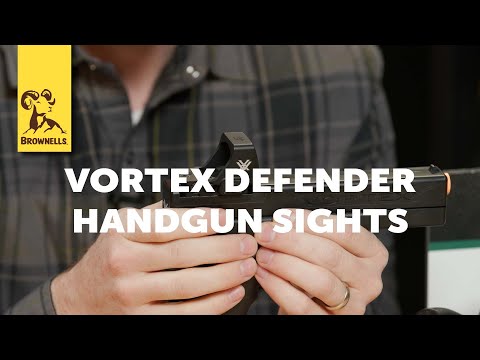
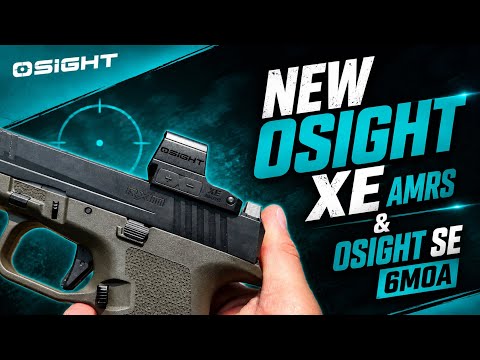
This video provides an expert-level breakdown of choosing a red dot sight for concealed carry pistols, focusing on key technical considerations. It details how optic size impacts the objective window and dot tracking during recoil, the significance of dot size (MOA) for accuracy versus speed, and the pros and cons of open versus closed emitter systems regarding durability and maintenance. The instructor also covers crucial practical aspects like battery placement and mounting footprint compatibility.

Quick Summary

When choosing a red dot for concealed carry, consider the optic's size and objective window, as smaller windows can make reacquiring the dot after recoil more difficult. Dot size (MOA) impacts precision versus speed, and closed emitter systems offer better protection against dirt and debris than open emitter designs.

Chapters

  1. 00:02Introduction to Red Dot Options
  2. 00:17Red Dot Options for Concealed Carry Pistols
  3. 00:41Choosing a Red Dot for Concealed Carry
  4. 00:52Red Dot System Size Considerations
  5. 01:12Impact of Window Size on Shooting Faster
  6. 02:08Overall Size of the Red Dot Unit
  7. 02:11Personal Experience with Trijicon RMR
  8. 02:40Dot Size Considerations (MOA)
  9. 03:05Understanding MOA (Minute of Angle)
  10. 03:31Pros of Larger Dot Sizes
  11. 03:52Recommendation: Try Different Dot Sizes
  12. 04:09Open vs. Closed Emitter Systems
  13. 04:14Open Emitter System Explained
  14. 04:43Cleaning Open Emitter Systems
  15. 05:05Closed Emitter System Explained
  16. 05:25Durability of Closed Emitter Systems
  17. 05:53Takeaway: Open vs. Closed Emitter Maintenance
  18. 06:13Objective Lens Comparison
  19. 06:33Shooter's Choice and Personal Preference
  20. 06:41Tracking Dot on the Move
  21. 07:16Tracking Comparison: Small Dot vs. Large Dot
  22. 07:29Battery Placement Considerations
  23. 07:41Trijicon RMR Battery Compartment
  24. 08:04Side Load Battery Compartments
  25. 08:22Top Load Battery Compartment (Vortex)
  26. 08:42Red Dot Footprint Considerations
  27. 08:51Glock MOS System and Spacers
  28. 09:19Ruger's Pin System
  29. 09:29Pistol Slide Milling for Optics
  30. 09:55Low Mount for Co-Witness
  31. 10:00Conclusion: Choosing Your Red Dot
  32. 10:05Dot Size Preference: Accuracy vs. Speed
  33. 10:32USCCA App QR Code
  34. 10:41Thanks to Sponsors and Location

Frequently Asked Questions

What is the main mistake concealed carriers make when choosing a red dot sight?

A common mistake is choosing a red dot with a small footprint and objective window, which can make it difficult to reacquire the aiming dot after recoil, especially during rapid fire. Taller optics or those with larger objective windows can improve dot tracking.

How does MOA affect red dot sight performance for concealed carry?

MOA (Minute of Angle) determines the dot size. Smaller MOA dots (e.g., 2 MOA) offer more precision for longer shots, while larger MOA dots (e.g., 6 MOA) are easier to track quickly for close-range engagements, though less precise at distance.

What is the difference between open and closed emitter red dot systems?

Open emitter systems have the emitter exposed, making them potentially easier to clean but vulnerable to dirt and debris. Closed emitter systems have two planes of glass, protecting the emitter and making them more robust against environmental factors.

Why is battery placement important for concealed carry red dots?

Side-loading or top-loading battery compartments are crucial as they allow for battery changes without removing the red dot from the pistol. This prevents the need to re-zero the optic, saving time and ensuring the firearm remains ready.

Related News

All News →

More Tactical & Gear Videos You Might Like

More from USCCA

View all →