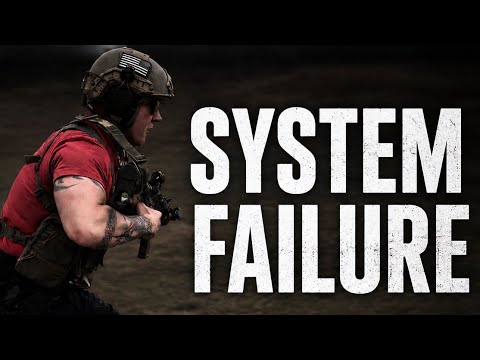
The Civilian Infantry Concept

Published on June 23, 2026
Duration: 23:29

This video introduces the 'Civilian Infantry Concept,' emphasizing self-reliance and community preparedness. It outlines two core facts: no one is coming to save you, and gear alone is insufficient. The concept is broken down into four layers: the individual, the household, the herd (community), and the terrain. Key takeaways include developing physical fitness, mastering basic medical and tactical skills, stockpiling essential supplies, building a cohesive and stable community group, and understanding local terrain for security planning. The emphasis is on becoming a prepared, contributing member of society rather than a liability.

Quick Summary

The Civilian Infantry Concept emphasizes self-reliance and community preparedness, built on two core facts: no one is coming to save you, and gear alone is insufficient. It's structured in four layers: Individual (skills, fitness), Household (supplies, communication), Herd (community organization), and Terrain (local geography analysis), aiming to create prepared citizens who can protect their communities.

Chapters

  1. 00:00Introduction to Civilian Infantry Concept
  2. 00:12Fact 1: No One Is Coming to Save You
  3. 00:51Fact 2: Gear Isn't Enough
  4. 01:13Joining the Community & Patches
  5. 01:53Misconceptions of the Concept
  6. 02:06Civilian Infantryman vs. Law Enforcement
  7. 02:20Basic Preparedness Scenarios
  8. 02:34Scenario 1: Medical Emergency & Power Outage
  9. 02:47Scenario 2: Missing Person Search
  10. 03:06Grid Down Scenario & Rule of Law
  11. 03:23Scenario 3: Entry/Exit Control Points
  12. 03:35The Four Layers of the Civilian Infantryman
  13. 03:59Layer 1: The Individual - Gear & Fitness
  14. 04:06Chest Rig vs. Body Armor
  15. 04:36Physical Fitness & Battle Drills
  16. 04:48Basic Medical Skills
  17. 04:58Triage and Medical Treatment
  18. 05:13Emergency Supplies
  19. 05:36Financial Stability & Mental Health
  20. 05:51Calm Under Stress / Stress Inoculation
  21. 06:28Layer 2: The Household - Family Preparedness
  22. 06:38Household Stability & Rule of Law
  23. 06:55Water Stockpiling
  24. 07:14Food Stockpiling
  25. 07:14Batteries, Flashlights, and Fuel
  26. 07:41First Aid in the Household
  27. 08:04Pre-located First Aid Points
  28. 08:24Family Communication Plans
  29. 08:49Household Documents
  30. 09:28Layer 3: The Herd - Community Platoon
  31. 09:51Community Rally Points & Plans
  32. 09:73Assessing Community Needs
  33. 10:01Assigning Roles within the Herd
  34. 10:24Like-Minded Individuals & Common Goals
  35. 10:57Layer 4: The Terrain - Localized Security
  36. 11:06Establishing Localized Security Plans
  37. 11:13Terrain & Communications Planning
  38. 11:23Emergency Service Response Zones
  39. 11:41Understanding Where No One Responds
  40. 11:52Tactical vs. Prepper Sides
  41. 11:59Building a Stable Group
  42. 12:17Rules of Three in Preparedness
  43. 12:44Tactical Skills: Ambush, Break Contact, etc.
  44. 12:70Second Amendment & First Amendment Purpose
  45. 12:84Summary: Physical Fitness, Supplies, Neighbors, Medical, Trust
  46. 13:28Call to Action: Like, Share, Join Community
  47. 13:54Conclusion & Sign Off

Frequently Asked Questions

What are the two core facts of the Civilian Infantry Concept?

The two core facts are: 1) No one is coming to save you; external aid will be overwhelmed or too slow. 2) Simply owning tactical gear like a plate carrier, rifle, and pistol is not enough; preparedness requires skills, mindset, and community organization.

What are the four layers of preparedness in the Civilian Infantry Concept?

The four layers are: The Individual (physical fitness, skills, mindset), The Household (family preparedness, supplies, communication), The Herd (community organization, roles, shared goals), and The Terrain (understanding local geography for security planning).

What basic preparedness skills are essential for an individual?

Essential individual skills include physical fitness, mastering basic battle drills, fundamental first aid (tourniquet, chest seals, airway management), and understanding triage. Financial stability and mental health are also critical.

How should a community group be built according to the Civilian Infantry Concept?

A community group should consist of like-minded individuals with stable families, free from extremism, criminal activity, or addiction. They should share ideological understanding and possess mental stability, focusing on common goals for community improvement.

More Tactical & Gear Videos You Might Like

More from Trench Grenade

View all →