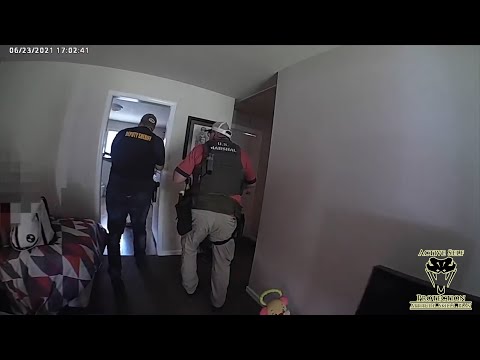
This Turned Lethal FAST | Active Self Protection

Published on May 14, 2026
Duration: 22:45

This video analyzes a law enforcement engagement where officers from the Louisville PD Fugitive Task Force apprehended a suspect wanted for murder. The analysis focuses on tactical decision-making, officer actions, and the effectiveness of their training. Key takeaways include the importance of choosing an appropriate engagement location, the challenges of close-quarters apprehension, the critical role of training in high-stress situations, and the nuances of using cover and executing reloads during a gunfight. The video highlights the competence of the officers involved, despite some minor critiques on approach tactics.


Quick Summary

The analysis of the Louisville PD engagement at a Taco Bell underscores the critical role of officer training in high-stress situations. While the officers demonstrated competence and teamwork, critiques were made regarding approach tactics, such as maintaining adequate distance and utilizing long guns for initial containment of a dangerous suspect.

Chapters

  1. 00:01Introduction: Louisville Cops Showcase Skills
  2. 00:14Welcome to Active Self-Protection Badge Cam Lesson
  3. 01:01Suspect Wanted for Murder Apprehended at Taco Bell
  4. 01:30Police Approach and Initial Contact
  5. 02:00Suspect Draws Weapon, Gunfight Ensues
  6. 02:26Badge Cam Footage: Commands and Engagement
  7. 03:32Shots Fired: Suspect Down at Taco Bell
  8. 03:58Officer Report: Male Suspect Down, Unresponsive
  9. 04:16Visual Confirmation of Gun
  10. 04:54Surveillance Video Angle: Suspect's Actions
  11. 05:17Suspect Identified as Danger to Community
  12. 05:30Officers Identify Themselves, Suspect Points Gun
  13. 05:46Suspect 'Well and Thoroughly Ventilated'
  14. 05:56Analysis: Competent Law Enforcement Response
  15. 06:17Fluidity of Apprehending Dangerous Suspects
  16. 06:30Critique: Approach and Proximity
  17. 06:54Preferred Approach: Distance and Long Guns
  18. 07:05Picking the Right Spot for Apprehension
  19. 07:24Officers React to Suspect Drawing Gun
  20. 07:43Sergeant's Role in Pursuing the Fight
  21. 08:04Training and Confidence in Law Enforcement
  22. 08:33Officers Locked In and Ready
  23. 08:48Moving to Contact and Handling Business
  24. 08:52Officer Sauer's Approach and Commands
  25. 09:16Suspect Reactions: Run, Give Up, or Fight
  26. 09:31Preference for Distance with Dangerous Suspects
  27. 09:49Tactical Considerations: ARs and Stand-off
  28. 10:07Critique: Distance and Takedown Aggression
  29. 10:20Sergeant's Actions: Bailing and Cover
  30. 11:54Sergeant Onwine's Tactical Maneuvers
  31. 12:18Sergeant's Reasoning for Movement
  32. 13:01Sergeant's Gun Deployment While Moving
  33. 13:06Using Cover Effectively: Sergeant Onwine
  34. 13:43Unique Situation: Suspect on the Ground
  35. 14:22Sergeant Pursuing the Fight and Radio Communication
  36. 14:56Sergeant's Old School Reload
  37. 15:12Retention Reload vs. Proactive Reload
  38. 15:40Modern Context: Carrying Multiple Magazines
  39. 16:03Carrying Magazines on Outer Carrier
  40. 16:30Reloading Strategy: Dump and Replace
  41. 16:53Officer Forbes: Firing Through Windshield
  42. 17:10Stabilizing Fire from a Vehicle
  43. 17:39Officer Reflexes and Threat Recognition
  44. 17:54Special Pants Brigade Patches Giveaway
  45. 18:12Training for Vehicle Engagements
  46. 18:50Officer Forbes' Reload During Gunfight
  47. 19:04Reloads in Police vs. Civilian Gunfights
  48. 19:14Chasing Scumbags: Extended Gunfights
  49. 19:28Reloading by Memory: Gun Empty, Gun Full, Go
  50. 20:17Suspect Reanimation and Continued Threat
  51. 20:33Justification for Continued Force
  52. 21:14Uniforms and Identification of Officers
  53. 21:33Suspect's Actions and Outcome
  54. 21:50Conclusion: Meeting the Maker

Frequently Asked Questions

What tactical considerations were discussed regarding the apprehension of a dangerous suspect?

The analysis highlighted the importance of selecting an isolated location for apprehension. Critiques included officers getting too close, potentially compromising safety. A preference was expressed for maintaining distance and utilizing long guns initially when dealing with armed and dangerous suspects.

How did the officers' training impact the engagement at the Taco Bell?

The video emphasizes that the officers' competence and confidence stemmed from extensive training. Their ability to react quickly, work as a team, and handle the high-stress situation effectively demonstrated the value of rigorous law enforcement training.

What are the limitations of badge cam footage in analyzing a shooting incident?

Badge cam footage has inherent limitations, including a distorted fish-eye lens effect and a fixed chest-level perspective. This means the camera does not perfectly replicate the officer's actual field of view or what they were seeing through their own eyes.

What is the difference between retention and proactive reloads in a tactical context?

A retention reload involves using rounds from a partially depleted magazine, often seen as an older technique. A proactive reload involves dropping the partially depleted magazine and inserting a fresh one. Modern tactical doctrine favors proactive reloads due to speed and efficiency, especially when carrying multiple spare magazines.

Related News

All News →

More Tactical & Gear Videos You Might Like

More from Active Self Protection

View all →