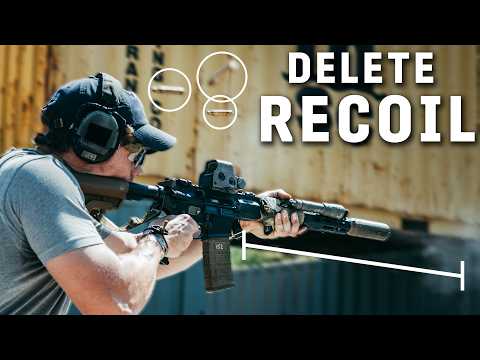
Triggered - Reading through the comments with Nick Young

Published on January 16, 2025
Duration: 24:14

This discussion, featuring firearms instructor Joel Park and Nick Young of VCK Training Group, delves into the nuances of muzzle devices and rifle configurations. The core argument is that while muzzle brakes offer recoil reduction beneficial for competition, they come with significant drawbacks for duty, home defense, and general training, including increased noise, concussion, and potential hearing damage. The speakers emphasize that skills developed on highly tuned rifles may not transfer well to simpler platforms and advocate for choosing gear based on mission requirements, with a preference for flash hiders or suppressors in many scenarios. They also touch upon optic height and its impact on cheek weld and control.

Quick Summary

Firearms instructors Joel Park and Nick Young explain that while muzzle brakes reduce recoil for competition, they are often avoided for general training and duty due to excessive noise, concussion, and potential hearing damage. They emphasize developing fundamental skills on simpler platforms like those with flash hiders or suppressors, as these are more practical for home defense and professional use.

Chapters

  1. 00:00Introduction: Triggered by Muzzle Devices
  2. 00:42Instructor's Perspective: Military & LE Focus
  3. 01:45A2 Flash Hider vs. Recoil Control Debate
  4. 02:27Three-Prong Flash Hiders and SOCOM
  5. 02:40Muzzle Brakes for Suppressor Compatibility
  6. 03:5645-Degree Safety Selector Controversy
  7. 05:31Factory vs. Home-Built Rifles: Reliability
  8. 07:13Why Avoid Muzzle Brakes for General Skills?
  9. 08:04Centerline Mounting and Muzzle Brakes
  10. 09:03Muzzle Brakes for Competition (PCC/USPSA)
  11. 10:11Turning Recoil Off with Muzzle Brakes
  12. 11:25Duty vs. Tuned Rifles: Skill Transfer
  13. 12:26Commentary on Taking Every Advantage
  14. 13:46Muzzle Brakes: Noise, Concussion, and Damage
  15. 14:47Kyle Defoor's Stance on Muzzle Brakes
  16. 15:59Muzzle Brakes for Police/Citizen Carry?
  17. 16:44Training with a Three-Prong Flash Hider
  18. 17:42Compensators vs. Lack of Skill
  19. 18:38Optic Height and Cheek Weld
  20. 20:00Gas Mask and Optic Height Considerations
  21. 20:46Conclusion: Mission Dictates Gear
  22. 21:50Advice on A2 Flash Hiders
  23. 22:11Educated Purchases for Muzzle Devices
  24. 23:20Final Thoughts and Channel Promotion

Frequently Asked Questions

What is the primary difference between a muzzle brake and a flash hider on a rifle?

A muzzle brake is designed to reduce felt recoil by redirecting gas upwards and sideways, making follow-up shots faster. A flash hider's main purpose is to reduce muzzle flash, with some effect on muzzle rise, but minimal recoil reduction.

Why might a firearms instructor avoid using a muzzle brake for general training or duty?

Instructors often avoid muzzle brakes for general training or duty because they significantly increase noise and concussion, which can be harmful indoors and to bystanders. They also emphasize developing fundamental skills that aren't reliant on recoil-reducing accessories.

Are muzzle brakes beneficial for competition shooting?

Yes, muzzle brakes are often beneficial for competition shooting, such as in PCC or USPSA divisions, as they help reduce recoil and muzzle rise, allowing for faster and more accurate follow-up shots, which is crucial for performance.

What are the potential downsides of using a muzzle brake in a home defense scenario?

In a home defense scenario, a muzzle brake's extreme noise and concussion can cause significant hearing damage to occupants and family members, and can also damage property. A suppressor is generally a safer and more practical choice for indoor use.

Related News

All News →

More Tactical & Gear Videos You Might Like

More from Joel Park

View all →