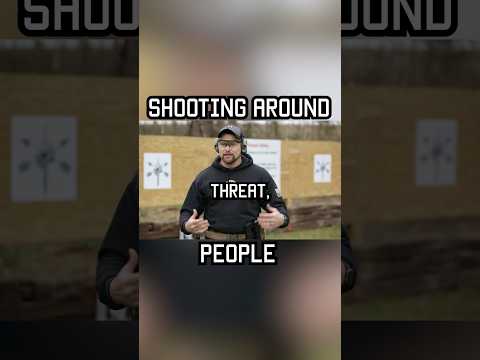
USCCA Tactical Mastery: Defending Houses of Worship

Published on November 3, 2025
Duration: 33:14

This episode of USCCA's Tactical Mastery Series focuses on protecting houses of worship, featuring insights from Keith Graves, a retired military and law enforcement officer. The discussion emphasizes the critical need for church security teams, outlining steps for their formation, training, and operation. Key takeaways include the importance of leadership buy-in, rigorous selection processes, comprehensive training, clear communication, and maintaining a welcoming environment while ensuring safety.

Quick Summary

Establishing a church security team requires leadership buy-in, a clear policy, and rigorous recruitment. Team members need a servant's heart and a warrior's drive, coupled with comprehensive training. Effective communication uses plain language, and the team must balance security with a welcoming atmosphere, avoiding a 'bunker' mentality.

Chapters

  1. 00:03Introduction: Protecting Houses of Worship
  2. 00:27Guest Introduction: Keith Graves
  3. 00:53Keith Graves' Journey into Church Security
  4. 01:0430 Years in Law Enforcement & SWAT
  5. 01:16Serving the Church After Retirement
  6. 02:04Unexpected Path to Church Security Training
  7. 02:45Developing Online Training for Security Teams
  8. 03:16Explosive Growth of Christian Warrior Training
  9. 04:50Why Churches Need a Security Team
  10. 05:01Biblical Precedents for Safety and Defense
  11. 05:35Global Persecution of Christians
  12. 06:02Calls for Attacks on Christians and Jews in America
  13. 06:13Statistics on Violent Attacks in Houses of Worship
  14. 06:40First Steps to Forming a Security Team
  15. 07:03Overcoming Leadership Hurdles
  16. 07:27Setting Up a Safety Ministry Policy
  17. 08:03Recruiting and Interviewing Team Members
  18. 08:32Making Safety Ministry Harder to Join Than Worship Team
  19. 09:30What Makes a Good Church Security Team Member?
  20. 09:57Servant's Heart and Warrior's Drive
  21. 10:24The Importance of Training
  22. 10:35Not All Safety Ministry Roles Are Armed
  23. 10:48Qualification Standards for Armed Personnel
  24. 11:00Adapted Qualification Course: Shooting and Moving
  25. 11:41Roles for Unarmed Team Members
  26. 12:12Second Set of Eyes and Communication Support
  27. 12:38Monitoring Video Feeds
  28. 13:47Critical Communication Best Practices
  29. 14:15Training, Training, Training
  30. 14:39Practicing Radio Procedures in a Familiar Environment
  31. 15:59Clear Language vs. Codes and Jargon
  32. 16:28The Necessity of Plain Language
  33. 16:53Under Stress, Codes Are Forgotten
  34. 17:42Relating Plain Language to Canine Handling
  35. 18:24Anecdote: Officer Speaking Cambodian Under Stress
  36. 18:51How Often Should Teams Train Together?
  37. 19:05Recommendation: 4 Hours of Training Monthly
  38. 19:39Free Training Resources from Christian Warrior Training
  39. 20:03Liability Concerns for Church Leaders
  40. 20:22The Role of Policy and Insurance
  41. 20:50Personal Experience with Self-Defense Insurance
  42. 21:20Addressing Liability Concerns with Preparation
  43. 22:00Legality of Carrying Firearms in Houses of Worship
  44. 22:48State Laws and Concealed Carry Permits
  45. 23:04The Professionalism of Having a Permit
  46. 24:16Restrictions on Firearms in Schools
  47. 24:56Consulting a Second Amendment Lawyer
  48. 25:05Balancing Security and Welcoming Atmosphere
  49. 25:28Don't Turn Your Church into a Bunker
  50. 25:56The Role of an Enhanced Greeter
  51. 26:32Interacting with Individuals Under the Influence
  52. 27:20Welcoming All Faiths and Backgrounds
  53. 27:40Discernment: Contextually Inappropriate Situations
  54. 27:58Biggest Mistake: Locking Down the Church
  55. 28:19Getting Rid of the 'Cowboy Mentality'
  56. 28:30PTSD and Its Impact on Security Mindset
  57. 29:22Hollywood's Negative Influence on Perceptions
  58. 30:01One Piece of Advice for Church Leaders
  59. 30:09Have Openness to a Safety Ministry
  60. 30:26Hope is Not a Plan: Texas Incident Example
  61. 30:55Plan It Out and Use Outside Resources
  62. 31:02Where to Find More Information: Christian Warrior Training
  63. 31:37Next Segment: USCCA Member Exclusive
  64. 31:43Interview with Jay Trombbley (Michigan Church Incident)
  65. 31:54Join USCCA for Education and Insurance
  66. 32:14USCCA Insurance Disclaimer

Frequently Asked Questions

What are the key qualities for a church security team member?

A good church security team member needs a servant's heart, a genuine desire to serve the Lord and their community. They must also possess a warrior's drive, a commitment to protect others from harm, and be willing to undergo rigorous training.

How should church security teams communicate effectively during incidents?

Effective communication relies on clear, plain language, avoiding specialized codes or jargon that can be forgotten under stress. Regular practice of radio procedures in a familiar environment helps ensure messages are conveyed accurately and efficiently.

What is the biggest mistake church security teams make?

The biggest mistake is locking down the church, creating a bunker-like atmosphere instead of remaining welcoming. This 'cowboy mentality' prioritizes aggressive posturing over de-escalation and community care, alienating those who need support.

How often should church security teams train together?

While there's no mandated frequency, a strong recommendation is 4 hours of training per month. This training should be split between various disciplines, including tactical skills, communication, and de-escalation techniques.

Related News

All News →

More Tactical & Gear Videos You Might Like

More from USCCA

View all →