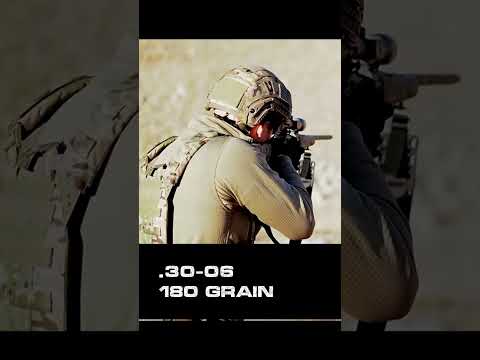
Water will compromise Ballistic Plates

Published on September 20, 2023
Duration: 5:55

This expert-level analysis from Polenar Tactical demonstrates the impact of water and physical damage on a Level 3 high-density polyethylene ballistic plate. Through rigorous testing with various calibers, the video reveals that while the plate retains significant protective capability even when compromised, certain ammunition types (like steel-core 7.62x39mm) can achieve penetration in severely degraded sections. The findings highlight the importance of proper armor storage and maintenance.

Quick Summary

Water can significantly compromise high-density polyethylene ballistic plates by causing delamination, which reduces their ability to absorb projectile energy. While damaged plates often retain some protective capability, steel-core ammunition poses a greater risk of penetration in compromised areas.

Chapters

  1. 00:00Intro: Ballistic Plate Construction & Damage
  2. 00:37Test 1: .223 Rem on Intact Plate
  3. 00:51Test 2: .223 Rem on Intact Plate
  4. 01:03Tests: 7.62x39mm on Intact Plate
  5. 01:31Test: .308 Win on Intact Plate
  6. 01:49Intact Plate Results & Material Function
  7. 03:13Damaged Plate Condition & Next Tests
  8. 03:37Damaged Plate: .223 Test Results
  9. 03:44Damaged Plate: 7.62x39mm Steel Core Test
  10. 03:54Damaged Plate: 7.62x39mm Penetration Analysis
  11. 04:18Damaged Plate: .308 Retest on Intact Section
  12. 05:11Damaged Plate: .308 Test Results & Conclusion

Frequently Asked Questions

Can water damage ballistic plates?

Yes, water can significantly compromise the integrity of high-density polyethylene ballistic plates. Prolonged exposure can cause delamination, allowing layers to move independently and reducing the plate's ability to absorb projectile energy effectively.

How do polyethylene ballistic plates work?

Polyethylene ballistic plates function by delaminating multiple layers of woven strands. This process absorbs the projectile's energy and causes the bullet to mushroom, stopping it. The material's toughness and layered structure are crucial for this energy dissipation.

Does a damaged ballistic plate still offer protection?

Surprisingly, even waterlogged and physically damaged ballistic plates can retain a significant amount of protective capability. They may still stop common rifle rounds, though penetration is more likely in severely compromised areas, especially with certain ammunition types.

What type of ammunition is most likely to penetrate a damaged ballistic plate?

Ammunition with steel alloy cores, such as some variants of 7.62x39mm surplus rounds, are more likely to penetrate a damaged or delaminated ballistic plate. These cores can maintain their integrity better than lead-based bullets when encountering compromised armor.

More Tactical & Gear Videos You Might Like

More from Polenar Tactical

View all โ†’