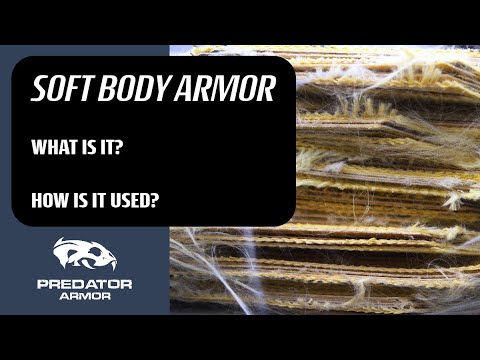
What Is Soft Body Armor? 🤔 #predatorarmor #bodyarmor #tactical #selfdefense

Published on February 23, 2024
Duration: 0:53

This video provides an expert overview of soft body armor, detailing its common protection levels (IIIA, II, IIA) and the primary materials used in its construction, such as Para-Aramid fiber (commonly marketed as Kevlar) and UHMWPE. The instructor highlights that variations in material thickness and weight affect the armor's composition and performance, showcasing examples of Kevlar and UHMWPE materials from Predator Armor.

Quick Summary

Soft body armor is typically rated Level IIIA, but can also be Level II and Level IIA. It's made from Para-Aramid fiber or Kevlar, which is the most common marketing name, or UHMWPE. Variations in thickness and weight affect their makeup and protective capabilities.

Chapters

  1. 00:00Introduction to Soft Body Armor
  2. 00:12Protection Levels and Materials Explained
  3. 00:28Material Variations and Properties

Frequently Asked Questions

What are the common protection levels for soft body armor?

Soft body armor is most frequently rated at Level IIIA, but can also be found in Level II and Level IIA configurations, indicating their effectiveness against different types of ballistic threats.

What materials are typically used in soft body armor?

The primary materials used in soft body armor are Para-Aramid fibers, commonly known by the brand name Kevlar, and Ultra-High Molecular Weight Polyethylene (UHMWPE). These materials are chosen for their strength and light weight.

How do material variations affect soft body armor?

Variations in the thickness and weight of materials like Kevlar and UHMWPE directly impact the armor's composition and its overall protective performance. Different weaves and densities offer different levels of ballistic resistance.

More Tactical & Gear Videos You Might Like

More from Predator Armor

View all →