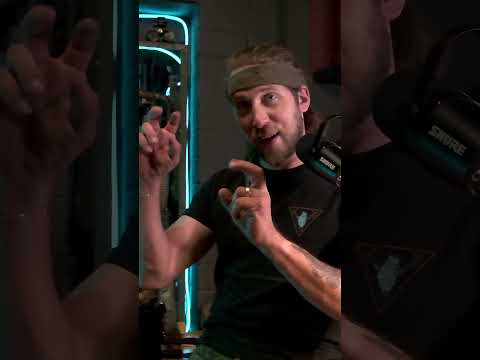
210: Ruben Alverez of Paradox Training: ECQC vs Jiu Jitsu

Published on May 24, 2024
Duration: 122:42

Ruben Alvarez, a law enforcement officer and Jiu-Jitsu black belt, discusses the critical differences between ECQC (Extreme Close Quarters Concepts) and traditional Jiu-Jitsu, particularly in the context of use-of-force scenarios. He emphasizes that ECQC focuses on weapon-based entanglements and avoiding the ground, prioritizing upright combat and weapon retention, unlike Jiu-Jitsu's submission-based approach. Alvarez highlights the dangers of 'training scars' from purely technical grappling when facing real-world threats where weapons are present and the fight is not symmetrical.

Quick Summary

ECQC (Extreme Close Quarters Concepts) differs from Jiu-Jitsu by focusing on weapon-based entanglements and prioritizing staying upright and conscious, rather than going to the ground. This approach is crucial for law enforcement and military personnel who are heavily kitted and face asymmetrical threats where weapon retention is paramount.

Chapters

  1. 00:01Introduction of Ruben Alvarez and ECQC
  2. 00:33Jiu-Jitsu Background and Law Enforcement Experience
  3. 00:47Training with Craig Douglas and ECQC Definition
  4. 00:55Differences Between ECQC and Jiu-Jitsu
  5. 01:04Jiu-Jitsu Culture and Stereotypes
  6. 01:34Cauliflower Ear as a Jiu-Jitsu Indicator
  7. 02:07Sponsor: Obsidian Arms
  8. 03:06ECQC: Weapon-Based Entanglement
  9. 03:33Why ECQC Avoids the Ground
  10. 03:56Jiu-Jitsu: Submission vs. Real-World Threats
  11. 04:06Weapon Access During Entanglement
  12. 04:31Use of Force Arena and Training Scars
  13. 05:05Jiu-Jitsu Win Factor vs. Real World
  14. 05:47Training for Keeps: ECQC vs. Jiu-Jitsu Stakes
  15. 06:31Losing Sight of the Forest for the Tree
  16. 06:48Third Degree Black Belt Perspective
  17. 07:00The Danger of Multiple Opponents on the Ground
  18. 07:26Personal Experience: Bouncer Duty and Injury
  19. 07:58Adversary Access to Your Tools
  20. 08:13Task vs. Priority Concept
  21. 08:23Training Scars in Jiu-Jitsu
  22. 08:49Real World vs. Symmetrical Training
  23. 09:08Training Scars and End Goals
  24. 09:33Craig Douglas and Primitive Instincts
  25. 10:28Personal Experience: Gun Falling During a Fight
  26. 10:55From Grappler to Cop: The Harder Reality
  27. 11:25What Could Have Been Done Better
  28. 11:40Why Ruben Started Training for ECQC
  29. 11:44The Perfect Student Scenario
  30. 12:09Communicating Real World vs. Training World
  31. 12:44Mentally Preparing for Use of Force
  32. 13:13Short, Intense, Violent, Intimate Encounters
  33. 13:24Christian Craighead's Analogy: Carrying a Gun
  34. 13:40Skills, Professions, and Morals Based Approach
  35. 14:16Metaphor for Fatherhood and Responsibility
  36. 14:43ECQC Arena: Who's Better at Fighting?
  37. 15:04Moving Beyond Ego in Training
  38. 15:15Considering Use of Force Training
  39. 15:24A Lesson for Younger Self
  40. 15:48Applying ECQC Principles
  41. 15:50Proficiency and Retention of Tools
  42. 16:03Naive Mentality of Tool Possession
  43. 16:39Stress Inoculation in ECQC
  44. 16:52Testing Methods Under Stress
  45. 17:08Applying Lessons to Combatives
  46. 17:10Advice for the Ideal Student
  47. 17:30Preparedness for Confined Spaces
  48. 17:44Ego Cut-Off and Disassociation
  49. 18:16Forced to Work in That Capacity
  50. 18:37The Movies vs. Reality
  51. 19:03Jack Carr Book Scene: EFP Use
  52. 19:21Maturity and Learning from Others
  53. 19:33Lines Heard from Colleagues
  54. 19:54Trained vs. Untrained
  55. 20:05Law Enforcement Walks of Life
  56. 20:10Helping People Avoid Negative Outcomes
  57. 20:23Ignorance and Inflated Egos
  58. 20:35Can't Get Dominated Mentality
  59. 20:40Brown Belt Chick Training Example
  60. 21:16Learning to Shut Off Ego
  61. 21:29Approaching People with Inflated Egos
  62. 21:39Positive-Criticism-Positive Approach
  63. 22:16Forgetting What It's Like to Be a Beginner
  64. 22:40Old School Training Methods
  65. 22:53ECQC Application and Mentality Change
  66. 23:12Jiu-Jitsu Goal: Take Down to the Ground
  67. 23:23ECQC Principles: Stay Upright and Conscious

Frequently Asked Questions

What is the primary difference between ECQC and Jiu-Jitsu?

ECQC (Extreme Close Quarters Concepts) focuses on weapon-based entanglements, prioritizing staying upright and conscious, and avoiding the ground. Jiu-Jitsu, while valuable for grappling, often aims for ground control and submissions, which can be disadvantageous when weapons are involved and the fight is asymmetrical.

Why is avoiding the ground important in ECQC for law enforcement?

In law enforcement or military scenarios, individuals are heavily kitted up with gear, helmets, and potentially firearms. Going to the ground makes it difficult to maneuver, can compromise weapon access, and makes the officer vulnerable to multiple threats or the adversary accessing their own weapons.

What are 'training scars' in the context of martial arts?

Training scars refer to habits or assumptions developed during training that are detrimental in real-world situations. For example, symmetrical training in Jiu-Jitsu, where fights start from a defined position, can be a disadvantage when real-world confrontations are asymmetrical and unpredictable, especially with weapons present.

How does Ruben Alvarez suggest approaching individuals with inflated egos about training?

Ruben Alvarez recommends a 'positive-criticism-positive' approach. Start with a genuine compliment or positive observation, then offer constructive criticism regarding their training needs, and conclude with another positive statement. This method helps to avoid immediate defensiveness and encourages receptiveness to feedback.

What is the core principle of ECQC regarding combat?

The core principle of ECQC is to stay upright and stay conscious. This means prioritizing maintaining a standing position and remaining aware, as being knocked out or taken to the ground can lead to the adversary gaining access to your own tools and weapons, significantly increasing the danger.

Related News

All News →

More Training & Techniques Videos You Might Like

More from REDACTED Culture Cast

View all →