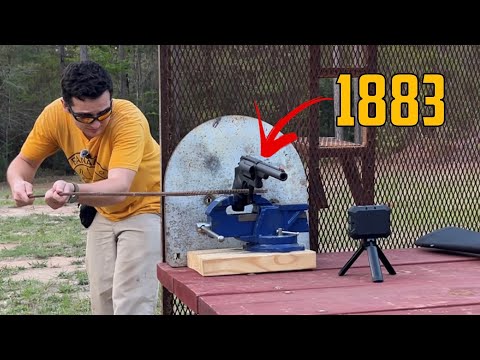
5.56 Round Vs Drywall Pt. 2 #shortsvideo #shorts

Published on October 30, 2024
Duration: 1:00

This video demonstrates a second test of a 5.56 round's penetration through drywall. The projectile unexpectedly spun and exited backwards, indicating unpredictable terminal ballistics. The test highlights the importance of understanding projectile behavior after impact, especially in scenarios where unintended ricochets or over-penetration could occur.

Quick Summary

In a second test of a 5.56 round against drywall, the projectile exhibited unpredictable behavior, spinning and exiting backwards. This test also showed increased penetration depth compared to a previous attempt, highlighting the variable nature of terminal ballistics through barriers.

Chapters

  1. 00:00Introduction and Test Setup
  2. 00:14Drywall Impact and Penetration
  3. 00:20Projectile Behavior and Exit
  4. 00:31Projectile Found Backwards
  5. 00:43Penetration Depth Comparison
  6. 00:54Conclusion and Future Tests

Frequently Asked Questions

What happened when a 5.56 round hit drywall in the second test?

In the second test, the 5.56 round penetrated the drywall, but it spun and exited backwards, indicating unpredictable projectile behavior after impact. The hole through the drywall was also observed to be sideways.

How did the penetration depth of the 5.56 round through drywall compare in the two tests?

The penetration depth varied significantly. In the first test, the 5.56 round penetrated 32 layers of drywall. In the second test, it penetrated 47 layers, demonstrating a notable increase in penetration depth.

What are the implications of a 5.56 round exiting drywall backwards?

A projectile exiting backwards after penetrating a barrier like drywall is a significant safety concern. It indicates a loss of stable flight and unpredictable trajectory, increasing the risk of unintended ricochets or collateral damage.

Related News

All News →

More Training & Techniques Videos You Might Like

More from Predator Armor

View all →