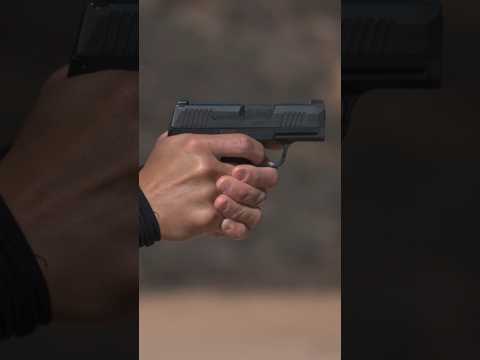
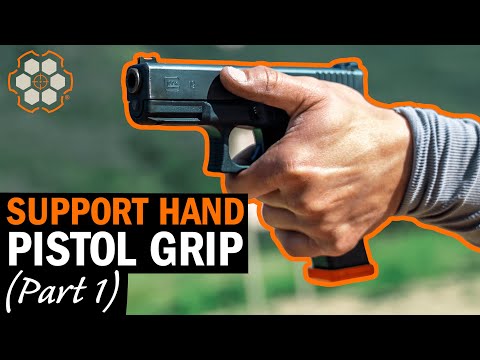
5 Most Common Pistol Shooting Mistakes We See #shorts

Published on October 23, 2022
Duration: 0:44

This guide, based on insights from Tactical Hyve instructors, addresses five common pistol shooting errors. It emphasizes the importance of a proper stance for recoil management, a high grip for control, sufficient grip friction, isolating the trigger finger to prevent flinching, and maintaining visual patience for accurate follow-through shots. Mastering these techniques is crucial for improving pistol shooting performance.

Quick Summary

Master pistol shooting by correcting five common errors: adopt an aggressive stance for recoil control, ensure a high tang grip for leverage, maintain firm grip friction, isolate the trigger finger to prevent flinching, and practice visual patience for accurate follow-through.

Chapters

  1. 00:00Introduction: 5 Common Pistol Mistakes
  2. 00:04Mistake 1: Stance & Recoil Management
  3. 00:08Mistake 2: Grip Height
  4. 00:15Mistake 3: Grip Friction
  5. 00:21Mistake 4: Flinching & Trigger Isolation
  6. 00:32Mistake 5: Visual Patience

Frequently Asked Questions

What is the most common pistol shooting mistake related to stance?

The most common stance mistake is failing to adopt an aggressive, forward-leaning posture. A weak, upright stance leads to excessive muzzle flip, making recoil management difficult and impacting follow-up shot accuracy.

How does grip height affect pistol control?

Maintaining a high grip, specifically a high tang grip, is crucial. A low grip reduces leverage over the bore axis, making it harder to control the firearm's rotation during recoil and follow-through, especially during rapid fire.

What causes a pistol shooter to flinch?

Flinching is often caused by anticipating the shot and failing to isolate the trigger finger. This anticipation leads to subconscious muscle tension, pushing the muzzle down just as the shot breaks, resulting in low impacts.

Why is visual patience important in pistol shooting?

Visual patience means waiting for the sights to return to the target and settle after recoil before firing the next shot. Rushing this process leads to inaccurate follow-up shots as the shooter is not properly re-aligned with the target.

Related News

All News →

More Training & Techniques Videos You Might Like

More from Tactical Hyve

View all →