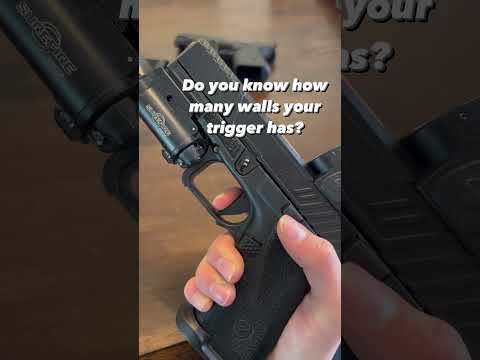
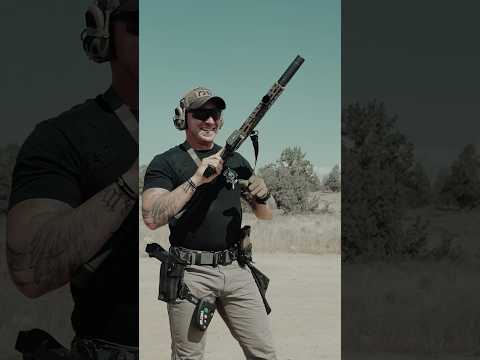
Aim Small, Miss Small.

Published on November 18, 2025
Duration: 1:30

This video from Achilles Heel Tactical, featuring instructor Rick, breaks down the critical 'Aim Small, Miss Small' principle for improved shooting accuracy. It emphasizes intuitive visual focus on a single aiming point, rather than scanning the entire target, and the importance of visual confirmation of sight alignment. The guide also touches on practical gear setups for tactical shooting.

Quick Summary

The 'Aim Small, Miss Small' principle means aiming at a tiny, specific point on the target to reduce the margin for error. This technique, combined with intuitive visual focus and confirming sight alignment, is key to improving shooting accuracy. It's not about seeing the whole target, but a precise point.

Chapters

  1. 00:00Intro: Rapid Fire Drills & Gear
  2. 00:12Common Target Focus Issues
  3. 00:38Understanding 'Tracking the Dot'
  4. 00:54The 'Aim Small, Miss Small' Principle
  5. 01:04Importance of Visual Confirmation

Frequently Asked Questions

What is the 'Aim Small, Miss Small' shooting principle?

The 'Aim Small, Miss Small' principle, famously referenced in 'The Patriot,' advises shooters to focus their aim on a tiny, specific point on the target. This precise aiming reduces the margin for error, making it more likely to hit the larger intended area.

How does target focus affect shooting accuracy?

Proper target focus is crucial for accuracy. Instead of looking at the entire target, shooters should intuitively focus on a single, small aiming point. This consistent visual reference helps in achieving precise sight alignment before firing.

What does 'tracking the dot' mean with a red dot sight?

'Tracking the dot' refers to maintaining a consistent visual reference point for your red dot sight, not necessarily keeping the dot in sharp focus. It's about knowing where your sights are aligned relative to your point of aim.

Why is visual confirmation important in shooting?

Visual confirmation ensures that your sights are correctly aligned with your point of aim before you pull the trigger. Without seeing and confirming this alignment, you cannot expect the shot to land accurately where you intend.

Related News

All News →

More Training & Techniques Videos You Might Like

More from Achilles Heel Tactical

View all →